 Feature
Stories
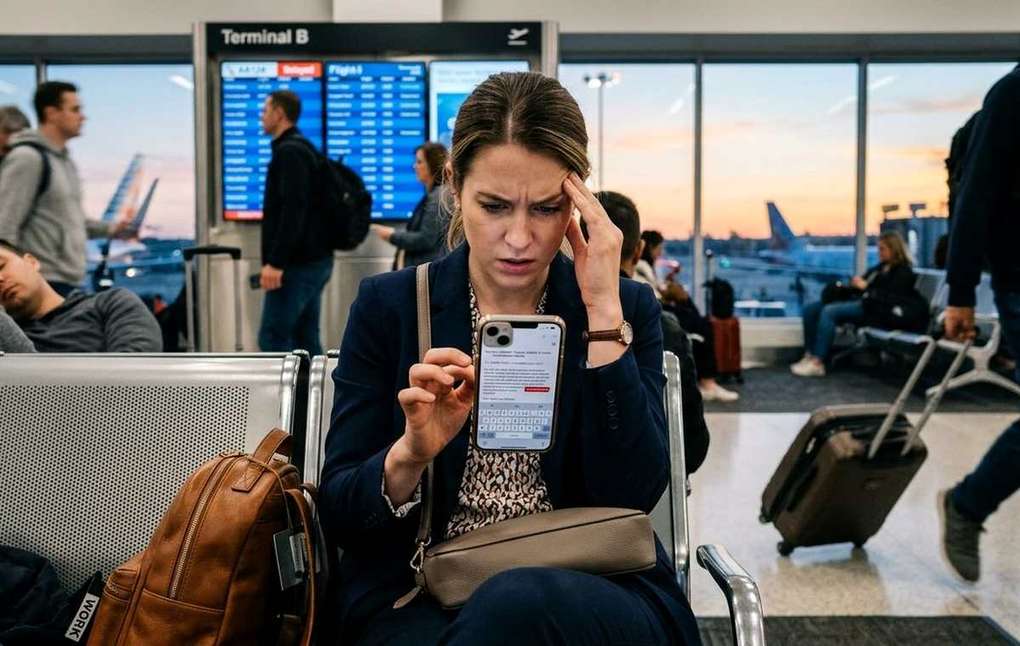
Writing Better Work Emails on a Phone is Harder Than it Looks
Writing professional emails on your phone is harder than it looks. Here's why rushed mobile drafts go wrong and what to do before hitting send.
MobileBurn / Fintech
Payments, wallets, banking apps, digital identity, and the security around them.
Phones have become wallets, bank branches, identity tools, and payment terminals. MobileBurn explains the convenience along with account recovery, fraud controls, fees, device security, and regional limits.
A tap-to-pay transaction can involve the phone, secure hardware, wallet provider, card network, bank, merchant, and biometric check. Knowing that chain helps explain why a payment can fail even when the card itself is fine.
A strong screen lock, current software, protected email account, carrier PIN, and tested recovery method matter more than a flashy wallet feature. We treat SIM-swap risk and notification privacy as part of financial security.
Coverage examines fees, supported banks and countries, transfer speed, spending controls, privacy, dispute handling, and what happens after a lost phone. Availability is always stated because fintech products vary sharply by market.
This topic page is updated as products ship, platform behavior changes, and stronger evidence becomes available. MobileBurn distinguishes company claims, outside reporting, clearly labeled direct observation, and editorial inference so an early announcement does not become a permanent fact by repetition.
Compare current devices in the phone directory, narrow a shortlist with the phone finder, or see the evidence behind our verdicts in how MobileBurn reviews phones. Editorial questions can be sent through the contact page.
Each destination has a different job: database pages support comparisons, guides explain a task, and policy pages document how the work is produced. Choosing the narrowest route reduces repeated searching and makes the next decision easier to verify.
Keep reading
Feature
Stories
Writing professional emails on your phone is harder than it looks. Here's why rushed mobile drafts go wrong and what to do before hitting send.
Mobile gaming
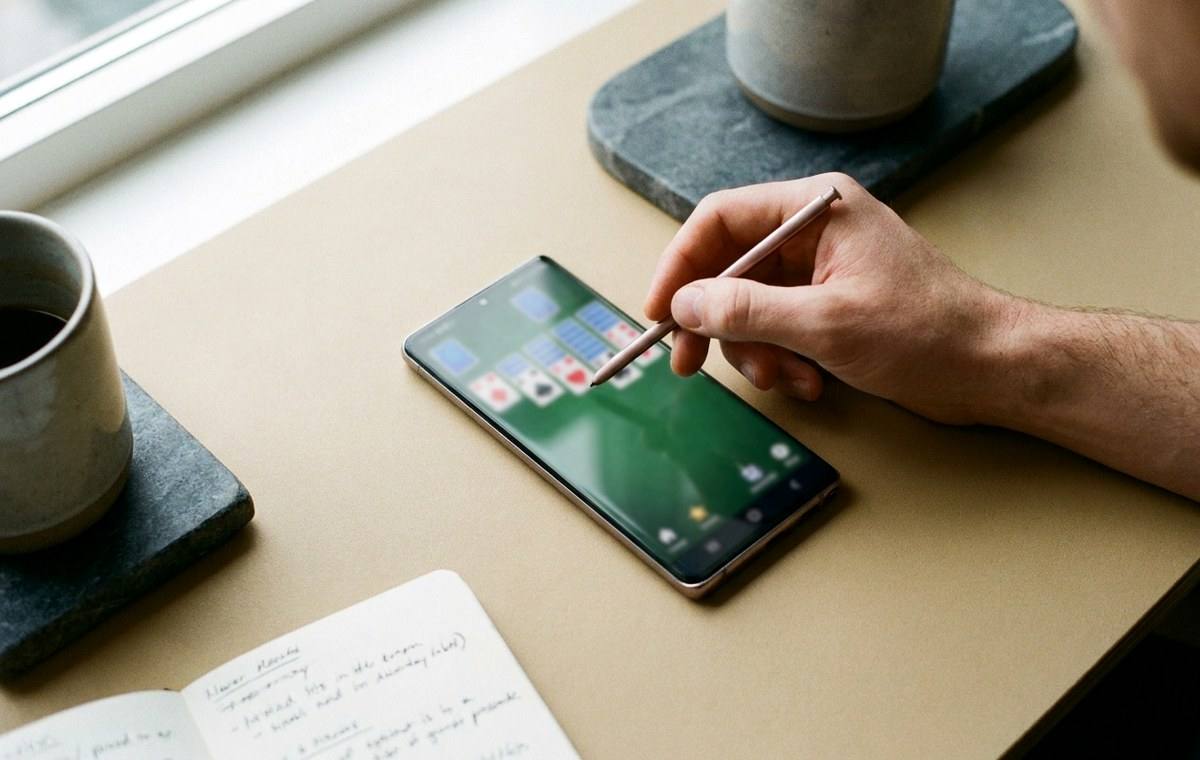
Solitaire , a game often associated with luck, also demands strategic insight and keen decision-making skills. Can mastering specific strategies in Solitaire significantly increase your chances of winning?…

Connectivity
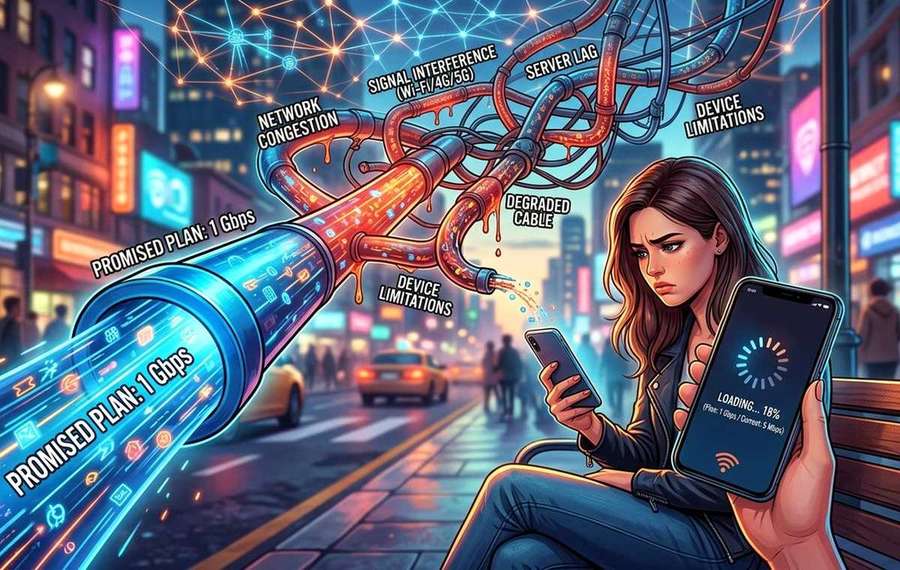
You signed up for a premium mobile data plan. The carrier’s website showed big numbers. Maybe 5G was in the name. Yet here you are, waiting for a YouTube video to buffer, watching a webpage load in chunks, and…
 Feature
Stories
Paying for a fast mobile plan but seeing buffering and lag? Here's what's really slowing down your phone's data, and how to check your true speed.
 Feature
Stories
Find high-quality transparent PNG files free for blog thumbnails, YouTube art, and tech review assets. A practical guide for mobile creators.
Mobile technology
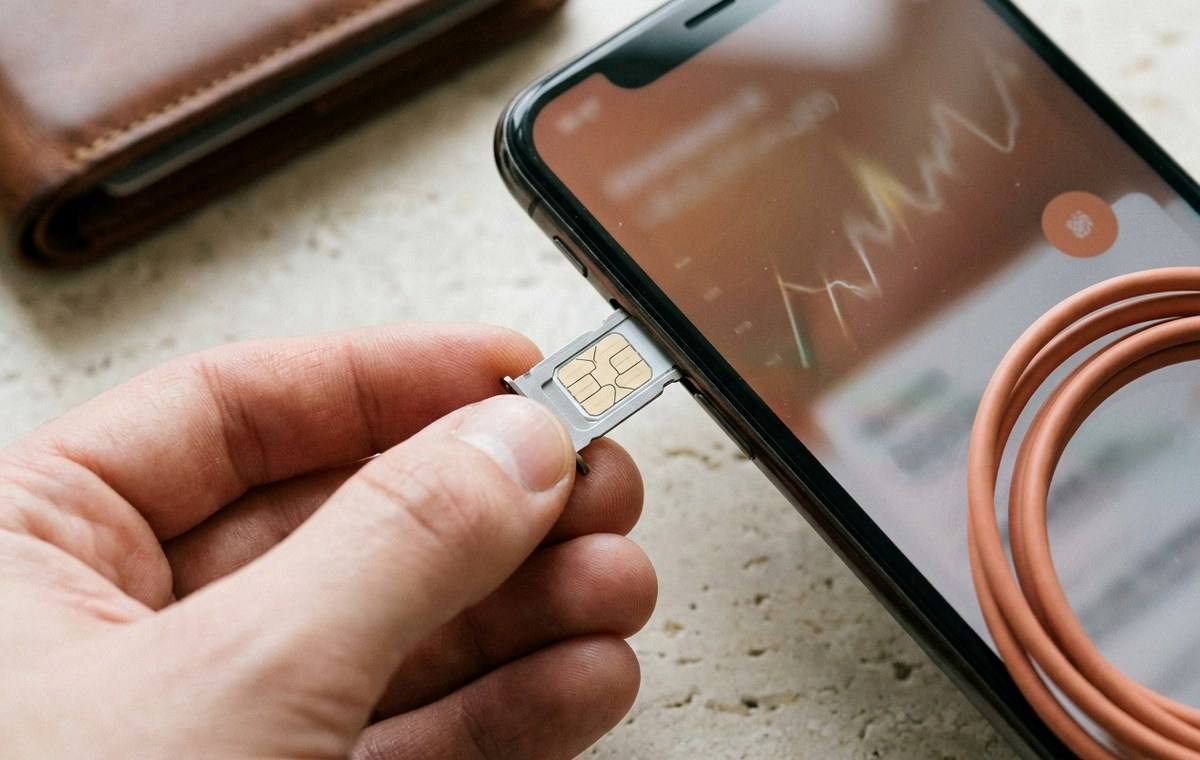
Vodafone , a leader in global telecommunications, is setting a new standard in digital payment solutions by integrating cryptocurrency wallets into SIM cards . This innovative approach not only marks a significant…
Connected pages