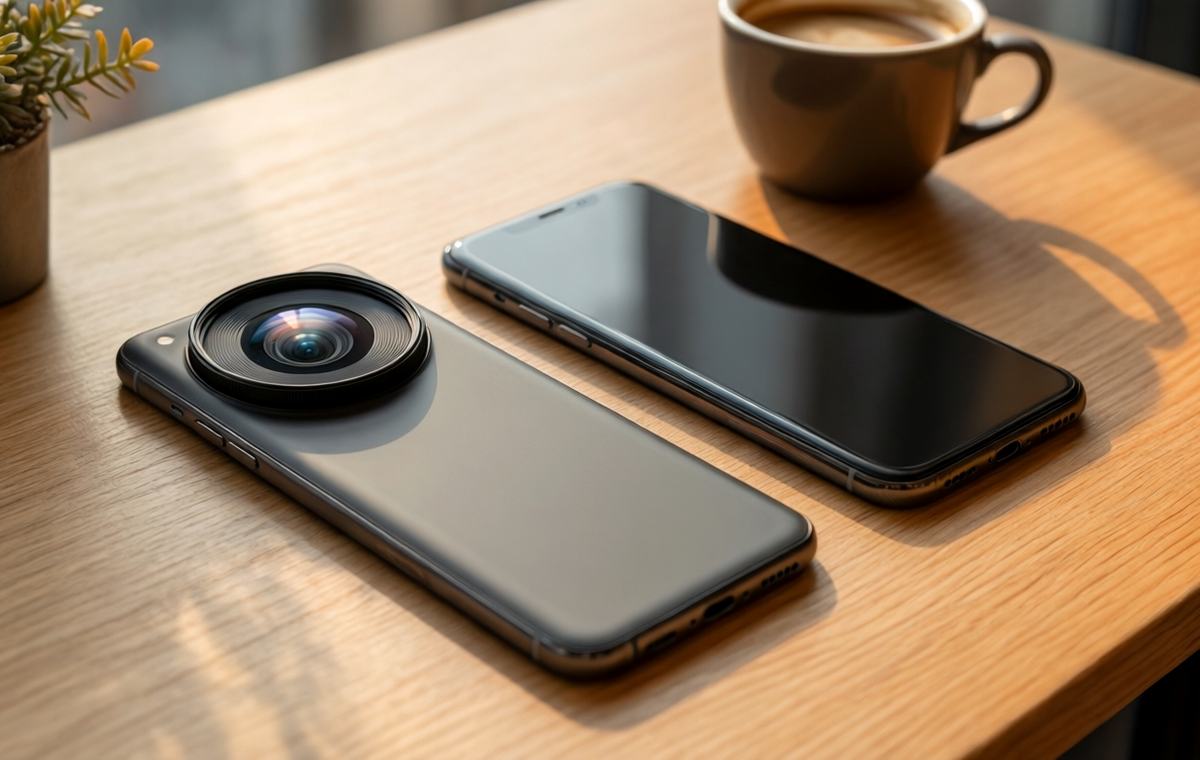
Summary of Pixel 11 vs Pixel 10a: Is the $400 upgrade worth it?
- The Pixel 11 costs $400 more than the Pixel 10a, but it adds a dedicated 10.8MP 5x telephoto camera and a new 48MP main sensor for much better zoom and low-light photos.
- The Pixel 11 comes with 12GB of RAM and 256GB of base storage, compared to 8GB of RAM and 128GB of storage on the Pixel 10a, giving it more room for apps and on-device AI features.
- Google's Tensor G6 processor in the Pixel 11 is two generations newer than the chip in the Pixel 10a, and it includes the Titan M3 security chip for extra hardware-level protection.
- New camera features like Magic Capture and Camera Looks are exclusive to the Pixel 11, offering better video-to-photo capture and in-viewfinder color profiles.
- Battery life and charging are similar between the two phones, so the decision comes down to whether you need the camera, performance, and storage upgrades.
The $400 question: What do you actually get?
Google's Pixel lineup has long offered a clear choice: spend flagship money for the full experience, or save a chunk of cash with the A-series and accept a few compromises. This year, that gap is wider than ever. The Pixel 11 starts at a price that is $400 more than the Pixel 10a. That is a significant sum for most shoppers. The question is whether the extra features justify the cost.
We have combed through the official specifications and details from Google to give you a practical breakdown. There is no single right answer for everyone, but understanding exactly where the Pixel 11 pulls ahead will help you make a confident decision. Let's look at the most important differences.
Camera upgrades: More than just a bigger number
What this means for Pixel 11 vs Pixel 10a
The most obvious upgrade on the Pixel 11 is the camera system. The Pixel 10a relies on a standard main camera and digital zoom. That works for casual snapshots, but the quality falls apart when you try to get closer to a subject. Google's AI-powered Super Zoom can help, but it cannot replace real optical hardware.
The Pixel 11 includes a dedicated 10.8MP telephoto camera with 5x optical zoom. Combined with Google's image processing, it can reach up to 30x Super Zoom while keeping photos much sharper than the Pixel 10a's digital crop. If you take pictures at concerts, travel, or capture kids and pets running around, this single feature can make the upgrade worthwhile.
The main camera also gets a major overhaul. The Pixel 11 uses a new 48MP sensor that captures brighter and cleaner photos in low light. Fast-moving subjects should also look better, with less blur.
Google is also adding two new camera features to the Pixel 11:
- Magic Capture– Records a video while automatically saving the best HDR+ still frames. This is handy when you cannot decide whether to shoot video or take photos of a moment.
- Camera Looks– Lets you preview different color profiles inside the viewfinder before you take a shot. It works like iPhone's Photography Styles or the film recipes on some other phones, giving your photos a distinctive style without editing afterward.
RAM and storage: Room to grow
On-device AI features are becoming a bigger part of the Android experience. They require memory to run smoothly. The Pixel 10a ships with 8GB of RAM. That is enough for everyday tasks like switching between Spotify, Google Maps, and the camera, but you may occasionally see an app close unexpectedly. It is also not enough if you want to run a large language model (LLM) locally on your phone.
The Pixel 11 comes with 12GB of RAM as standard. This extra memory gives Android more room to keep apps open in the background. It also provides the headroom needed to keep an on-device AI assistant active, which will become more important as Google pushes agentic AI features.
Storage is another area where the gap is clear. The Pixel 10a starts at 128GB. That can fill up quickly with offline playlists, large games, and lots of photos and videos. The Pixel 11 doubles the base storage to 256GB, giving you much more breathing room over the life of the phone.
Performance and security: Two generations ahead
The Pixel 11 is powered by Google's Tensor G6 processor. This is two generations newer than the chip in the Pixel 10a. The benefits go beyond faster app launches and smoother browsing. The Tensor G6 brings noticeable improvements to on-device AI features like Live Translate and Google's broader AI tools.
Security also gets a boost. The Tensor G6 includes Google's Titan M3 security chip. This adds a dedicated hardware layer of protection on top of Android's regular security updates. For anyone concerned about privacy or using their phone for work, this is a meaningful upgrade.
Battery and connectivity: What stays the same
Battery life and charging speeds are not listed as major differentiators between the two phones. The evidence suggests there is no significant difference in this area. Both phones should get you through a full day of moderate use, but if fast charging or wireless charging is a priority, you will want to check the specific specs on Google's official store.
For connectivity, both phones support standard 5G bands and Wi-Fi. The Pixel 11 may include newer Bluetooth or Wi-Fi standards, but that information was not detailed in the available materials. If you rely on the latest wireless accessories, it is worth confirming compatibility before buying.
Pixel 11 vs Pixel 10a: Which one fits your life?
Choosing between the Pixel 11 and the Pixel 10a comes down to how you use your phone. If you take a lot of zoom photos, want the best camera performance in low light, need more RAM for AI features, or plan to keep your phone for several years, the Pixel 11's $400 premium is money well spent. The dedicated telephoto lens, 48MP main sensor, 12GB of RAM, 256GB of base storage, and Tensor G6 processor with Titan M3 security chip are upgrades you will notice every day.
If your phone usage is more basic — browsing social media, checking email, making calls, and taking the occasional photo — the Pixel 10a remains a solid value. It handles everyday tasks without issue, and its 8GB of RAM and 128GB of storage are enough for many people. The trade-off is that you will miss out on the telephoto zoom, the new camera features, and the extra headroom for future AI capabilities.
For a deeper dive into other options, check out our best phones guide or use the phone finder to compare models side by side. You can also read our iPhone specifications and review if you are considering the other side of the smartphone aisle.