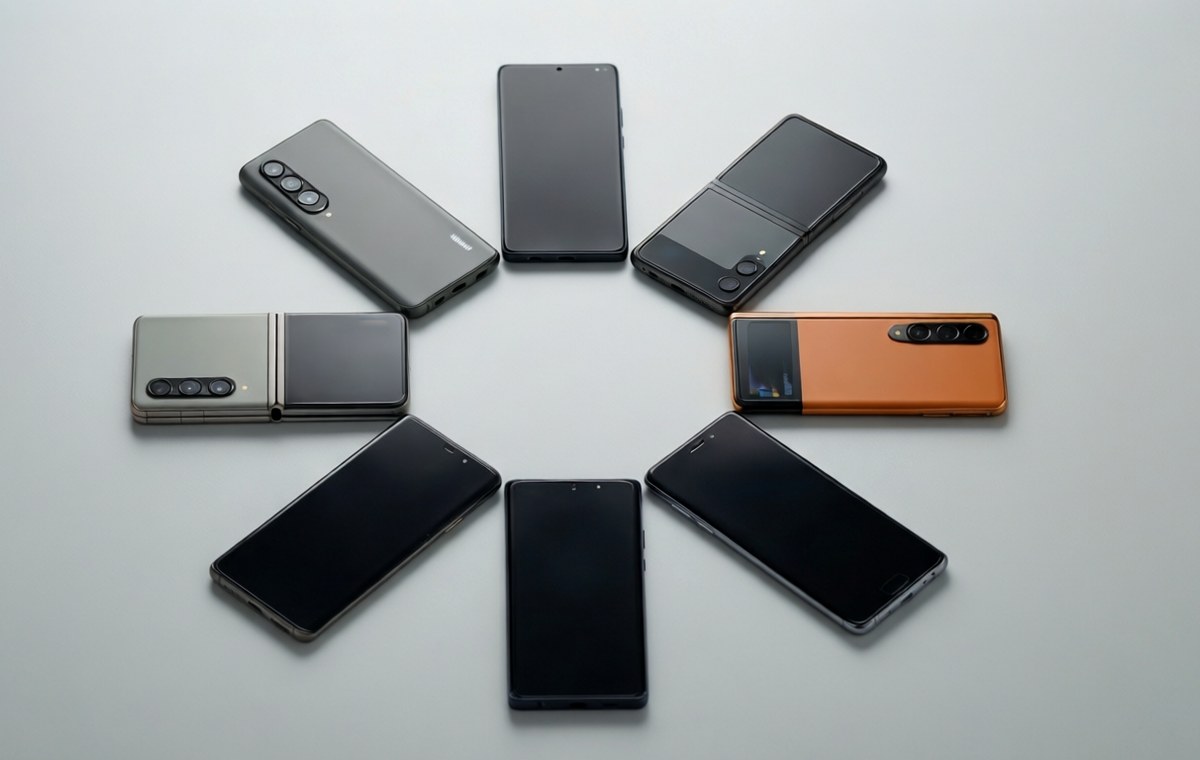
Summary of Gemini Nano 4: Google lists the only seven phones that can run its best AI
- Google has confirmed that only seven phones support Gemini Nano 4, the engine behind its newest on-device AI features.
- The supported phones are the Pixel 11 series and Samsung’s Galaxy Z Flip 8, Z Fold 8, and Z Fold 8 Ultra.
- Gemini Intelligence requires 12GB of RAM, a flagship chip, and strict performance and security standards.
- Rambler voice typing and Create My Widget are currently exclusive to Pixel 11 phones.
- Older flagships may keep getting Android updates but miss out on the latest AI features.
Google’s Gemini Nano 4: Only seven phones qualify
Google’s newest AI tricks are not coming to every Android phone. The company has quietly published a short list of devices that can run Gemini Nano 4, the latest version of its on-device artificial intelligence model. Only seven phones make the cut so far, and they are all flagships released in the past few weeks.
If you have been waiting for a software update to bring smarter voice typing or custom home-screen widgets to your current phone, this list is a clear signal that hardware matters more than ever. Google is drawing a line between phones that can run Android and phones that can run the newest Google AI experience.
The official device list
What this means for Gemini Nano 4
Google updated its developer documentation in late August 2026 to list the first devices with “nano-v4” support. The list includes Google’s own Pixel 11 series and Samsung’s latest foldable lineup. Here are the seven phones:
- Pixel 11
- Pixel 11 Pro
- Pixel 11 Pro XL
- Pixel 11 Pro Fold
- Galaxy Z Flip 8
- Galaxy Z Fold 8
- Galaxy Z Fold 8 Ultra
The list is aimed at app developers, but it also tells consumers which phones will get the most advanced Gemini Intelligence features. Google has not said whether the Pixel 10 or the Galaxy S26 will officially support Gemini Intelligence.
What your phone needs to run Gemini Intelligence
Gemini Intelligence is not just another app update. Google has published a set of hardware requirements that go well beyond a fast processor. To run Gemini Intelligence, a phone needs:
- 12GB or more of RAM
- A qualified flagship chipset
- On-device Gemini Nano support (version 3 or greater)
- Media performance standards for spatial audio, low-light video, and HDR
- Annual GPU driver updates and a strong gaming score
- Five OS upgrades with Android Virtualization Framework and pKVM security
- Six years of quarterly security updates
- A pass rate on crash and performance tests that will be enforced more strictly in 2027
These requirements explain why older flagships, even ones with plenty of RAM, are left out. The phone must meet all of them at launch and over time.
Rambler, Create My Widget, and more
Google has shown off two Gemini Intelligence features that are exclusive to the Pixel 11 series for now. The first is Rambler, a voice-typing mode inside Gboard. Instead of transcribing every “um,” pause, or repeated word, Rambler cleans up your speech and delivers a polished sentence. You can talk naturally, stumble, or change your mind, and the AI handles the mess.
The second is Create My Widget. You describe the information you want on your home screen — weather, calendar events, news headlines — and Gemini builds a custom widget around your request. Samsung is also working on a similar feature, but it has not arrived yet.
Pixel 11 phones also get Proactive Assistance, which was previously called Magic Cue, and expanded task automation that works with more than 40 apps on Samsung’s foldables.
Pixel exclusives versus Samsung’s wait
Right now, only Pixel 11 phones support Rambler and Create My Widget. Samsung’s Galaxy Z Flip 8, Z Fold 8, and Z Fold 8 Ultra have Gemini Nano 4 hardware, but Google has not enabled those two features on them yet. It is not clear whether this is a temporary software delay or a permanent limitation.
Google has said that Gemini Intelligence features will roll out in waves. That leaves room for Samsung’s devices to catch up, but there is no timeline. If you want the newest AI features today, you need a Pixel 11. If you want a foldable design and are willing to wait, the Samsung models are the only other option that meets the hardware bar.
What this means for your next phone: Gemini Nano 4
Google is tying its smartest AI features to newer chipsets and stricter hardware requirements. That means a phone that is perfectly fast today could miss out on tomorrow’s AI updates even if it keeps getting Android version upgrades. The gap between “can run Android” and “can run Google’s best AI” is growing.
If you are shopping for a phone in 2026 and care about on-device AI, the safe bet is a device from the short list above. The Pixel 11 series gives you the most features right now. Samsung’s latest foldables give you the hardware foundation and hope for future updates. Everything else is a gamble.
For more help choosing, check out our best phones guide, use the phone finder to narrow your options, or compare models side by side with our phone comparison tool. You can also read our full Galaxy S26 review to see how Samsung’s flagship fits into the bigger picture.