Summary of Why 200 megapixels can still lose to 50
- Phone camera megapixels cannot judge the final photo.
- A megapixel is one million sampled picture points.
- A larger sensor can collect more light at the same exposure, while a brighter, sharper lens delivers cleaner information to it.
Phone camera megapixels cannot judge the final photo. Sensor area, optics, exposure, processing, and motion handling matter more.
What a megapixel actually measures: Why 200 megapixels can still lose to 50
A megapixel is one million sampled picture points. The number can describe output size, but it does not measure focus accuracy, dynamic range, motion handling, lens quality, color, or the amount of light each photosite receives. High-resolution sensors often combine neighboring pixels for normal photos. That can improve light gathering, yet the final image still depends on exposure choices, optics, stabilization, processing, and how quickly the camera reacts.
Sensor size and optics decide what reaches the pixels: Why 200 megapixels can still lose to 50
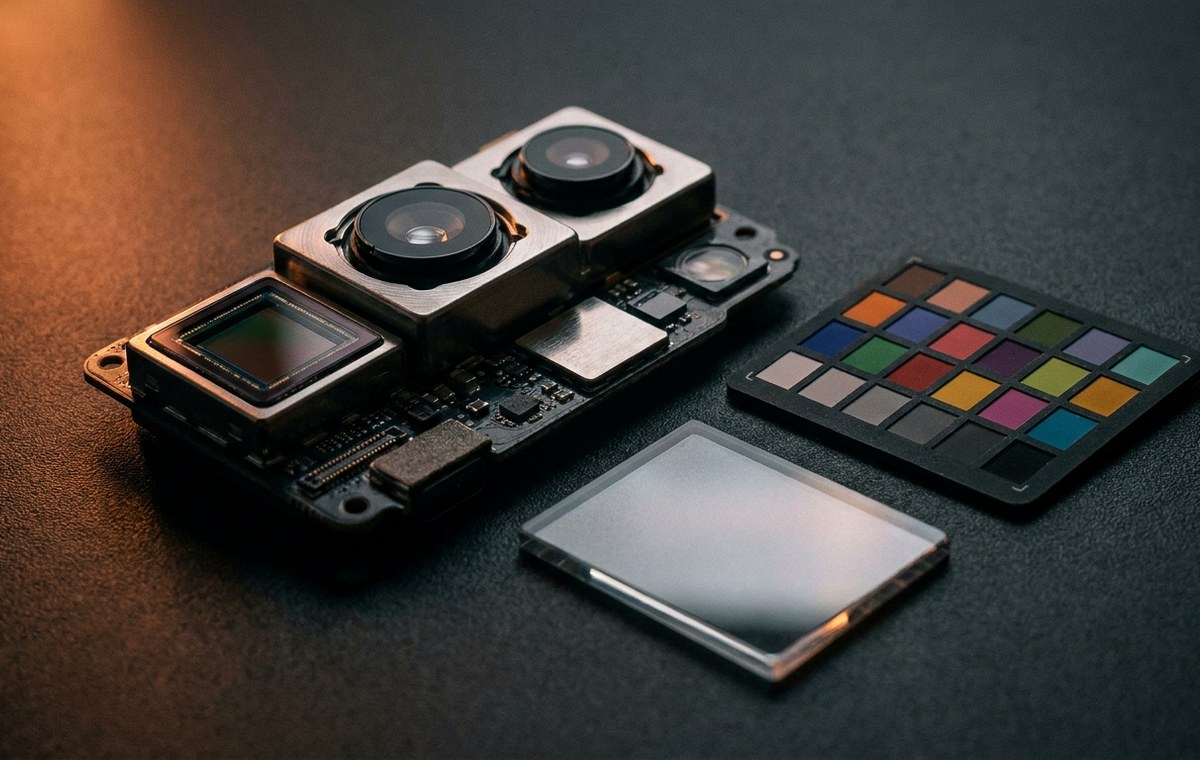
A larger sensor can collect more light at the same exposure, while a brighter, sharper lens delivers cleaner information to it. Poor optics can spread detail across many pixels without creating a more detailed photograph. Lens coatings, flare control, focus mechanism, and optical stabilization matter when the subject moves or the light falls. This is why a well-designed 50-megapixel camera can beat a weak 200-megapixel system.
Useful mobile advice is repeatable: it explains the condition, the change, the result, and the safest way back.
Pixel binning helps, but it is not magic: Why 200 megapixels can still lose to 50
Pixel binning combines nearby sensor readings into a lower-resolution output. It can improve noise and dynamic range, particularly when light is limited, but it cannot restore detail blurred by subject motion, missed focus, or a dirty lens. Manufacturers may use different grouping patterns and processing. The useful question is how consistently the phone turns the captured data into a natural, sharp image—not how large the unprocessed file could be.
Quick check
- Back up anything you cannot replace.
- Change one setting or variable at a time.
- Test in the place and workload that matter to you.
- Keep a clear route back to the previous state.
Processing and timing shape the photo you keep: Why 200 megapixels can still lose to 50
Phones merge frames to control highlights, lift shadows, reduce noise, and choose a face or moment. strong processing preserves texture and skin tone without producing halos, waxy detail, or unstable color between lenses. Timing is equally important: shutter delay can turn a technically detailed camera into a poor choice for children or pets. Useful camera reviews repeat attempts with moving subjects, difficult light, and transitions between lenses.
How to compare phone cameras without chasing a number: Why 200 megapixels can still lose to 50
Look at main-camera consistency, ultrawide quality, useful zoom lengths, focus, motion, video, sound, low light, and how quickly the camera opens. Compare full images as well as cropped detail, since aggressive sharpening can look impressive at first glance. Megapixels become valuable when the lens, sensor area, exposure, and processing support them. They are an ingredient in the camera system, never a verdict on their own.
Use this advice with Why 200 megapixels can still lose to 50
Put the guidance into practice with read evidence-based phone reviews, compare camera hardware side by side, and browse current phone specifications. Each page answers a different next question, so you can move from the principle to a shortlist or direct comparison.