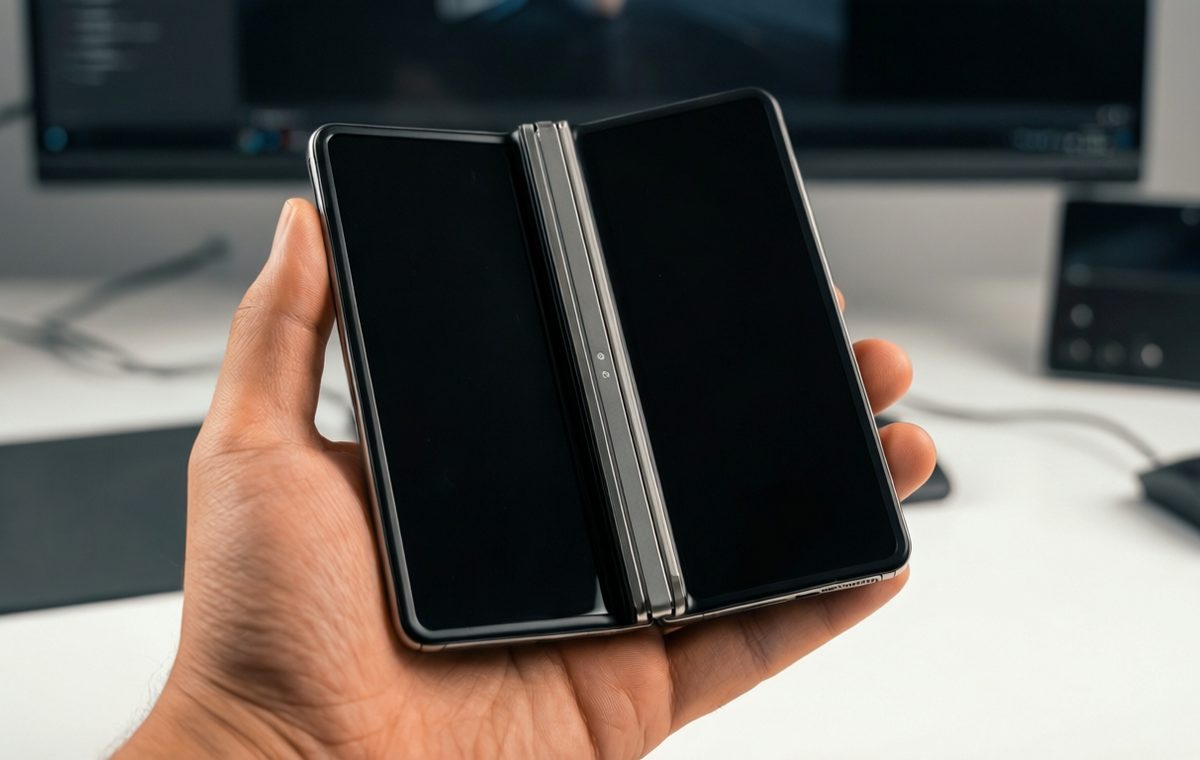
Summary of Pixel 11 and Pixel 11 Pro Fold: Tensor G6 stays at 3nm, Camera Looks, and a tough market
- Google unveiled the Pixel 11 series on August 12, 2026, with four models starting at $899.
- The Tensor G6 chip is built on a 3nm process, not the 2nm process some rumors suggested.
- The Pixel 11 Pro Fold is $1,899 and competes against the Samsung Galaxy Z Fold 8 and Motorola Razr Fold.
- Camera Looks, a new sensor-level photo style feature, is exclusive to Pixel 11 phones for now.
- Pre-orders are open and phones ship on August 20, 2026.
Pixel 11 series arrives with four models and higher prices
Google just unveiled its Pixel 11 lineup at the Made by Google event on August 12, 2026. The company showed off four phones, a new Pixel Watch, and even a Pixel Tag. But for anyone thinking about buying a new foldable phone in the United States right now, the Pixel 11 Pro Fold is at the center of a very different conversation than it was last year.
Tensor G6 is not a 2nm chip after all
What this means for Pixel 11 and Pixel 11 Pro Fold
The base Pixel 11 starts at $899. The Pixel 11 Pro costs $1,099, and the Pixel 11 Pro XL has a $1,299 price tag. The Pixel 11 Pro Fold is the most expensive of the group at $1,899. All four models ship on August 20, 2026, and pre-orders are open now with up to $350 in gift cards for those who order early.
The new phones run on Google’s Tensor G6 chip. That chip has been a topic of discussion this week because of news about how it is built. According to an interview published by Central News Agency with Google VP Peng Yu-chun, the Tensor G6 is built on a 3nm process. This contradicts earlier rumors that suggested Google would move to 2nm fabrication with this generation.
Samsung already started making 2nm chips with its Exynos 2600, and Apple is expected to introduce a 2nm chip in the iPhone 18 Pro later this year. Qualcomm is also rumored to have 2nm Snapdragon chips on the way. Google missing that upgrade means the Tensor G6 stays on the same fabrication node as the Tensor G5, though Google has not shared detailed hardware specs beyond performance metrics.
Pixel 11 Pro Fold: Fourth-best foldable, and that might be okay
The Pixel 11 Pro Fold has a few key numbers that matter for daily use. When folded, it measures 10.1mm thick. That is the same thickness Motorola quotes for the Razr Fold. Google also trimmed weight compared to the previous model, making it marginally lighter than the Razr Fold. The camera island has been redesigned, and Google is making bold claims about durability. The phone also supports Qi2 wireless charging.
But the market has changed. Samsung’s Galaxy Z Fold 8 and Fold 8 Ultra now check almost every box for foldable fans, and the Motorola Razr Fold delivers a top-tier experience with a large battery and solid camera hardware. One early hands-on from a tech writer who used the Pixel 11 Pro Fold alongside the Galaxy Z Fold 7 describes the gap as no longer laughable.
Google’s hardware is closer to Samsung’s than it was last year, but it still feels a step behind in terms of thinness and overall fit and finish. The same writer ranked Google’s foldable as the fourth-best option currently available in the US mass market.
Camera Looks are exclusive to Pixel 11 for now
One of the standout features for the Pixel 11 series is a new photography tool called Camera Looks. It processes image data at the sensor level to create photo styles that do not have what Google calls that “smartphone” look. One of those styles is called “Digi,” and it mimics the look of older digital cameras.
But there is a catch. Google spokesperson Alex Moriconi told The Verge that these camera updates are only available on the latest Pixel 11 devices. The statement left room for the feature to come to older Pixels in the future, but there is no timeline or commitment. If you want Camera Looks, you need a Pixel 11 phone right now.
Other new software features include Magic Capture, improvements to Gemini Intelligence, expanded Live Translate, and the ability to use Circle to Search directly through the camera viewfinder. The Pro models also include a built-in LED ring that lights up for Google’s Gemini AI and other notifications.
Pricing, trade-offs, and the next decision
The Pixel 11 Pro Fold costs $1,899. The Samsung Galaxy Z Fold 8 series and the Motorola Razr Fold are priced similarly or slightly less, and both offer larger batteries and thinner hardware. If you want the absolute thinnest foldable, Samsung and Motorola still lead. If you prefer Google’s software, value Qi2 wireless charging, or want the Pixel-specific camera features like Camera Looks and Magic Capture, the Pixel 11 Pro Fold is a strong choice.
For anyone considering a regular phone instead of a foldable, the lineup gives more options than ever. The Pixel 11 at $899 is the entry point. The Pixel 11 Pro at $1,099 adds a telephoto lens and the LED ring. The Pixel 11 Pro XL at $1,299 offers a larger screen and bigger battery. All four run the same Tensor G6 chip and share the software features announced at the event.
Pre-orders are live now through the Google Store, Amazon, and Best Buy. Phones ship on August 20, 2026. The Pixel Watch 5 is also available for pre-order starting at $399 for the 41mm model and $429 for the 45mm model.
A more competitive market makes Pixel 11 a harder sell
The Pixel 11 lineup lands at a time when the foldable market in the US finally has real competition. Samsung and Motorola have raised the bar, and Google is playing catch-up in hardware while betting on software and camera features. The Tensor G6 staying at 3nm is a disappointment for spec fans, but for most people, performance will still be strong. The real question is whether you value Google’s unique camera tools and software experience enough to pay a premium for hardware that is not the thinnest or the most feature-packed. That is a choice worth making carefully.
For a closer look at how these phones compare, check out our phone comparison tool or browse the best phones list to see where the Pixel 11 series fits in the current market.