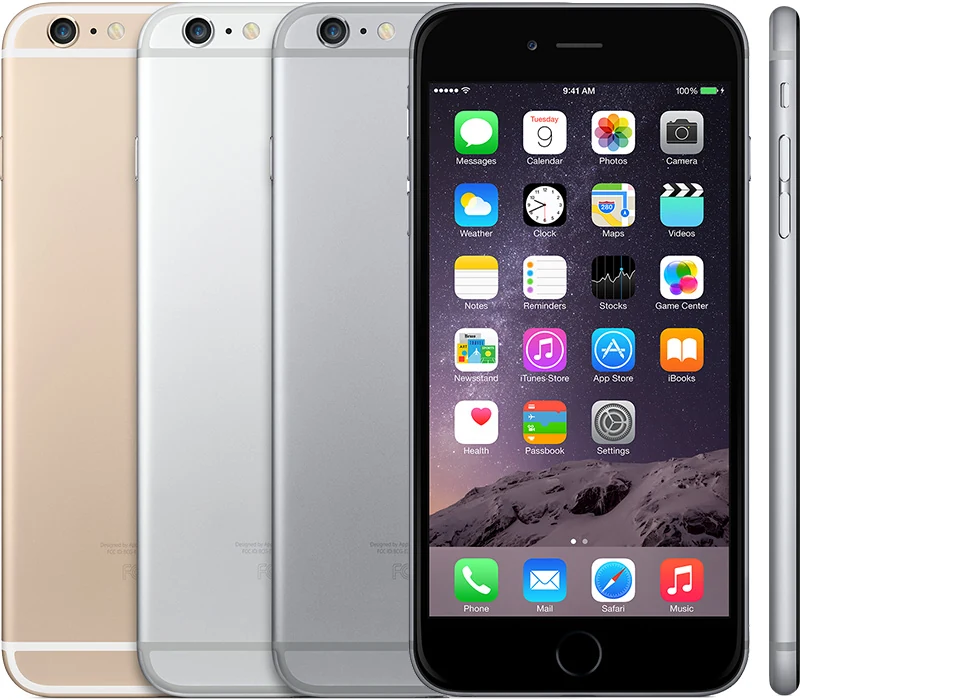
iPhone 6 Plus review summary
- The iPhone 6 Plus was Apple's first big phone with a 5.5-inch screen.
- It had a great camera with optical stabilization and long battery life.
- But it had problems like bending, slow charging, and no water resistance.
- Large 5.5-inch Retina HD display is great for media.
- Optical image stabilization helps take sharper photos.
- Long battery life for video playback.
- Smooth performance from the Apple A8 chip.
- The 5W charger is very slow by modern standards.
- The aluminum body can bend under pressure.
- The display is only 60Hz, not smooth like newer phones.
- No official water resistance rating.
Editorial verification: MobileBurn editors verified the device specifications, ownership details, and material review findings before publication.
A Big Step for Apple — iPhone 6 Plus
In 2014, Apple finally answered the call for a larger iPhone with the 6 Plus. At a time when many competitors had already embraced bigger screens, this device marked Apple’s serious entry into the phablet market. It wasn’t just a scaled-up iPhone 6; it brought unique features that set it apart, including optical image stabilization for the main camera and a market-oriented interface in several native apps.
The 5.5-inch Retina HD display was a major shift for the product line, offering a pixel density higher than any previous iPhone at the time. For those wanting a bigger screen without stepping up to an iPad, the iPhone 6 Plus became the go-to option. It’s a pivotal release that shaped Apple’s strategy for years to come. If you’re exploring old flagship devices, check out our phone reviews to see how older models compare.
Design and Build: Thin and Light, but Watch for Bending — iPhone 6 Plus
What this means for iPhone 6 Plus
The iPhone 6 Plus traded the boxy design of earlier iPhones for a thinner, more rounded aluminum unibody. At 172 grams, it felt surprisingly light for its size. The metal construction gave it a premium feel, but the larger chassis brought a known vulnerability: bending. The device’s long, thin aluminum frame could deform under pressure, especially if carried in a tight pocket. This was a widely discussed issue at launch. The phone also lacks an official water resistance rating, so you’ll want to keep it dry.
The touchscreen on some units may develop unresponsive areas over time. If you’re considering a used or collectible example, inspect the frame carefully for any warping and test the entire display for reliable touch input. For a full list of older models, visit our phone directory.
Display: A Sharp Retina HD Screen — iPhone 6 Plus
The 5.5-inch Retina HD LCD on the iPhone 6 Plus runs at a standard 60Hz, which was typical for its era. The 401ppi pixel density makes text and images look sharp, and the 1920×1080 resolution delivers solid clarity for video and reading. While it can’t compete with today’s high-refresh-rate panels, the screen remains serviceable for basic tasks. Colors are generally accurate and brightness is adequate for indoor use.
The large display also supports a market home screen and market views in several built-in apps, a feature unique to the Plus model at the time. However, outdoor visibility can be a challenge under direct sunlight due to the LCD’s limitations. For those who mainly watch movies or browse the web, the screen holds up well enough, but it’s important to set expectations right: this is a decade-old panel, not a modern OLED high-performance phone.
Camera: Optical Stabilization Makes a Difference — iPhone 6 Plus
The iPhone 6 Plus was the first Apple phone to bring optical image stabilization to its main 8MP camera. This is not just a spec sheet detail—it actually helps keep your photos sharp in low light or when your hand shakes a bit. Compared to the standard iPhone 6, which lacks this feature, the Plus model can grab a steadier shot without relying solely on digital tricks. The difference is most noticeable when you compare still images from both phones in a side-by-side comparison . That little bit of hardware movement inside the lens module means you get less blur and more detail, especially in darker scenes. For a phone from 2014, this was a meaningful upgrade that made the larger model stand out beyond just screen size. However, keep in mind that the camera system is now years old, so don't expect it to match modern flagship phones. If you are browsing for an older device or a collectible, the stabilized camera remains a highlight worth checking for any signs of wear.
Performance and Battery: A8 Chip and Long Video Playback — iPhone 6 Plus
Under the hood, the iPhone 6 Plus runs on the Apple A8 processor. For its time, this chip delivered smooth navigation through iOS and handled apps without much fuss. The phone also came with a generous battery that Apple rated for up to 14 hours of video playback. That was a big deal back then and still is notable if you are considering a used unit for offline movies or music. But there are trade-offs.
The included 5W charger is painfully slow by today's standards, so you will want to budget for a faster adapter if you plan to actually use the phone regularly. Also, the display is a 60Hz LCD panel, which feels dated next to the super-smooth screens on newer phones. And because the aluminum body has known vulnerability to bending, you should carefully inspect any second-hand model for distortions. To find other older phones with better charging or more strong builds, use our phone finder tool.
Overall, the A8 and the large battery remain the heart of this device's appeal for media fans on a tight budget.
Is the iPhone 6 Plus right for you?
The iPhone 6 Plus review: The first Plus phone still has lessons for anyone looking at older Apple devices. It introduced the 5.5-inch Retina HD screen that made watching videos and reading comfortably possible on an iPhone for the first time. The optical stabilization in the camera was a welcome upgrade, and the battery life was impressive at launch. But the phone also had problems like a body that could bend under pressure, a screen that shows its age now, and no official water resistance.
If you find a used model, check the aluminum frame for any bends, test the whole touchscreen for dead spots, and make sure the camera stabilizes properly. The 5W charger is very slow, so consider a replacement if you use it daily. The iPhone 6 Plus is a piece of Apple history and can still serve as a media player or a secondary device, but it is not a strong choice for a modern daily driver.
It paved the way for today's large iPhones, and its legacy lives on in every Plus, Pro Max, and Plus model that followed.