2020 iPhone
Apple / 2020
iPhone SE (2nd generation): our full review
The iPhone SE (2020) is a smart choice for anyone who wants a fast, affordable iPhone with a small body and a physical home button. It offers great performance for the price, a strong camera, and water resistance. The main downsides are the older screen technology and the lack of a headphone jack, but for the price, it is one of the best value iPhones available.
Review
Editorially verifiedSpecifications and review findings checked
Best forTouch ID and a small body at a low entry price
Main rival
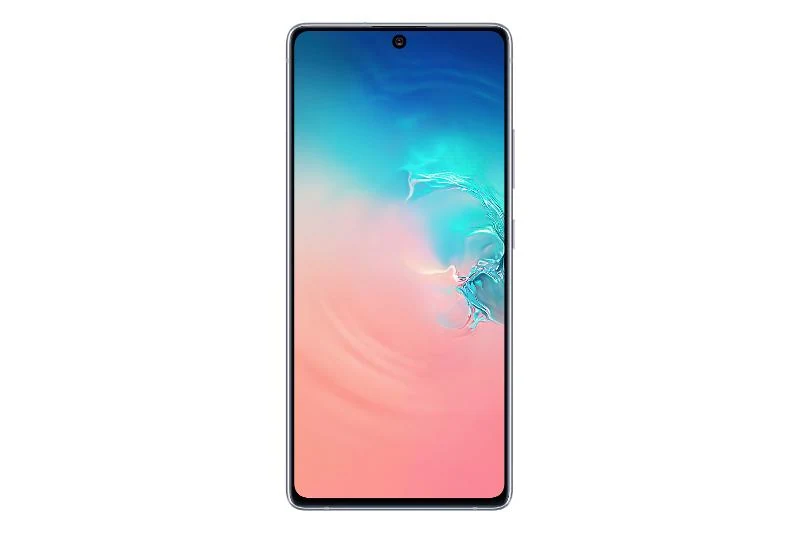
Main rival for iPhone SE (2nd generation): Galaxy S10 Lite
The Galaxy S10 Lite is a direct alternative to consider beside the iPhone SE (2nd generation). Compare the software, screen, cameras, support, and current selling price—not only the launch-price figures shown here.
Jump toWhat do you want to know?
Summary
iPhone SE (2nd generation) review summary
- The iPhone SE (2020) is a small, lightweight, and affordable iPhone that packs the powerful A13 Bionic chip. It has a 4.7-inch LCD screen, a strong 12MP camera, and supports fast and wireless charging. While the display can be hard to see in bright light and there is no headphone jack, it is a great choice for anyone who wants a simple, fast iPhone without spending a lot of money.
- The phone is built around the same design as the iPhone 8, but with much better internal parts. It is water-resistant (IP67) and comes in black, white, or red. For the price, it offers solid performance and access to the full App Store, making it one of the best value iPhones Apple has made.
- If you need a phone that will last a few years and don't care about the latest screen technology or multiple cameras, the iPhone SE (2020) is a smart pick. It is not the newest model, but it still does the basics very well.
- Affordable price for an iPhone
- Fast A13 Bionic chip
- Lightweight and easy to hold
- strong single camera with HDR and OIS
- It uses the same 4.7-inch frame and physical home button found on earlier models, complete with bezels above and below the screen.
- That home button houses a fingerprint scanner, which many users still appreciate for its speed and reliability.
- It has a 60Hz refresh rate, which is standard for this price range.
- It can be difficult to see clearly in bright sunlight, as the older LCD panel does not get as bright as newer screens.
Editorial verification: MobileBurn editors verified the device specifications, ownership details, and material review findings before publication.
A Familiar Design That Still Works — iPhone SE (2nd generation): iPhone SE (2020)
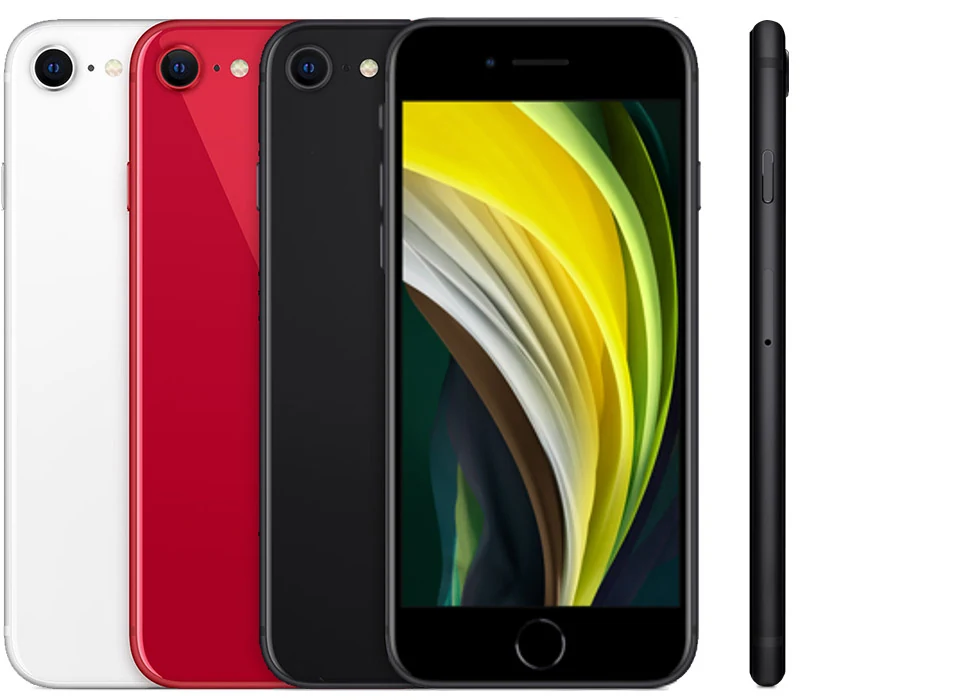
The iPhone SE (2020) adopts a design that will look very familiar to anyone who has used an Apple phone in recent years. It uses the same 4.7-inch frame and physical home button found on earlier models, complete with bezels above and below the screen. That home button houses a fingerprint scanner, which many users still appreciate for its speed and reliability. The phone is lightweight at 148 grams, making it easy to hold and operate with one hand.
It is also water-resistant with an IP67 rating, giving some peace of mind against spills and splashes. The phone is available in black, white, and PRODUCT(RED) finishes, all of which have a black front. One notable omission is the headphone jack, so you will need wireless earbuds or a Lightning adapter. If you prefer a smaller, lighter phone and want the convenience of Touch ID, this design is a practical choice. For those interested in other options, you can browse more phone reviews to find a model that suits you.
A Small Screen With Some Trade-Offs — iPhone SE (2nd generation): iPhone SE (2020)
What this means for iPhone SE (2nd generation): iPhone SE (2020)
The 4.7-inch LCD display on the iPhone SE is the same screen technology used in the iPhone 8. It has a 60Hz refresh rate, which is standard for this price range. In everyday use, the screen is perfectly fine for checking messages, browsing the web, and using apps. However, it can be difficult to see clearly in bright sunlight, as the older LCD panel does not get as bright as newer screens.
The bezels around the display mean the phone is not an all-screen design, but the trade-off is that you get a physical home button and a very pocket-friendly size. While the screen is not the most advanced, it is adequate for the price and keeps the cost low. If you are looking for a simple, reliable display for daily tasks, this will get the job done. You can also check our phone directory to compare other models with different screen sizes.
Fast Performance From a Flagship Chip — iPhone SE (2nd generation): iPhone SE (2020)
Under the hood, the iPhone SE is powered by the Apple A13 Bionic chip, the same processor found in the iPhone 11 series from the same year. This makes the phone very fast for everyday tasks, from launching apps to playing games. You will not notice any lag in normal use, and the phone feels very responsive. The single 12MP main camera has an f/1.8 aperture, optical image stabilization, and HDR, which helps it take strong photos in a variety of lighting conditions.
It is not a multi-camera system, but the single lens does a solid job for most users. The battery is rated for up to 13 hours of video playback, and it supports 18W fast charging via Lightning as well as Qi wireless charging. You will need to buy a fast charger separately, but having wireless charging is a nice bonus at this price. Overall, the phone performs like a flagship in many ways, just in a smaller and more affordable package.
A Single Camera That Takes strong Photos — iPhone SE (2nd generation): iPhone SE (2020)
The iPhone SE (2020) relies on a single 12MP main camera, but it is a capable shooter for its price. It includes HDR and optical image stabilization, which help capture clear and steady shots in a variety of conditions. While it lacks the multiple lenses found on more expensive models, the camera is more than adequate for everyday photography, from snapshots of friends to scenic outdoor shots. The phone also benefits from the powerful A13 Bionic chip, which enables computational photography features that improve image quality.
If you are looking for a simple, reliable camera without the complexity of multiple sensors, this phone delivers solid results. For those who want to compare camera performance with other models, you can use our phone finder tool to explore options.
Battery Life and Charging Options — iPhone SE (2nd generation): iPhone SE (2020)
The iPhone SE (2020) offers up to 13 hours of video playback, which is decent for a phone of its size and price. It supports 18W wired fast charging, allowing you to quickly top up the battery when needed, and it also supports Qi wireless charging for added convenience. While the battery life is not class-leading, it is sufficient for a full day of moderate use for most people.
The phone does not include a headphone jack, which may be a drawback for some users, but the charging options are flexible. If you are considering this phone alongside a newer model, you can view a side-by-side comparison to see how it stacks up against the iPhone 12 mini.
Is the iPhone SE (2nd generation) right for you? — iPhone SE (2nd generation): iPhone SE (2020)
The iPhone SE (2020) is a smart choice for a budget iPhone, offering a small, lightweight body and a powerful A13 Bionic chip at a low entry price of $399. It is built around a 4.7-inch LCD display with a 60Hz refresh rate, which can be hard to see in bright light, but the phone makes up for it with fast performance and a strong 12MP camera. The design is familiar, with a home button and Touch ID, and it comes in black, white, or red.
It is water-resistant with an IP67 rating, adding to its practicality. The main downsides are the older screen technology and the lack of a headphone jack, but for the price, this is one of the best value iPhones Apple has made. It is ideal for anyone who wants a simple, fast iPhone that will last a few years without spending a lot of money.
Specifications
iPhone SE (2nd generation) specifications
The details that most directly affect compatibility, daily use, and ownership. Regional models can differ, so confirm bands, storage, colors, and charging support before purchase. For context, see other phones released in 2020.
- Released
- 2020
- Operating system
- iOS
- Display
- 4.7-inch LCD, 60Hz
- Processor
- Apple A13 BionicApple A13 Bionic in plain EnglishApple A13 Bionic is an Apple-designed system-on-a-chip (SoC): the main silicon that runs iPhone apps and iOS. It combines the CPU, graphics, camera processing, and supporting controllers; newer generations also include dedicated machine-learning hardware. Real speed and battery life still depend on memory, cooling, software, and battery condition.
- Memory
- Not officially stated by Apple
- Storage
- 64GB–256GB
- Rear cameras
- 12MP main
- Battery
- Up to 13 hours video playback
- Charging
- 18W wired, Qi wireless
- Software support
- Check current iOS compatibility
- Water resistance
- Colors
Quick answers
iPhone SE (2nd generation) frequently asked questions
Who is the iPhone SE (2nd generation) best for?
The iPhone SE (2nd generation) is best suited to buyers seeking touch ID and a small body at a low entry price. Because it launched in 2020, compare its remaining software support, battery health, used condition, repair cost, and current price before choosing it over a newer phone.
What software support does the iPhone SE (2nd generation) have?
Apple's current iOS compatibility list determines the remaining software support for the iPhone SE (2nd generation). Check the exact model, its installed iOS version, available security updates, and the apps you need before buying it used.
What are the key camera and battery specifications?
The catalog lists the iPhone SE (2nd generation)'s rear cameras as 12MP main. Its battery listing is Up to 13 hours video playback, and its charging support is 18W wired, Qi wireless. Those specifications describe the hardware, but they do not by themselves guarantee photo quality, charging time, or real battery life. The phone glossary explains why those figures need context.
What is the main alternative to the iPhone SE (2nd generation)?
The Galaxy S10 Lite is its main cross-brand rival in this catalog. Compare their displays, cameras, software, support, size, and current prices in the side-by-side comparison before deciding.
Alternatives
iPhone SE (2nd generation) alternatives at a similar price
Compare price, size, camera hardware, battery, charging, and software support. Completed reviews are labeled clearly; remaining models stay as specification profiles.
Keep exploring