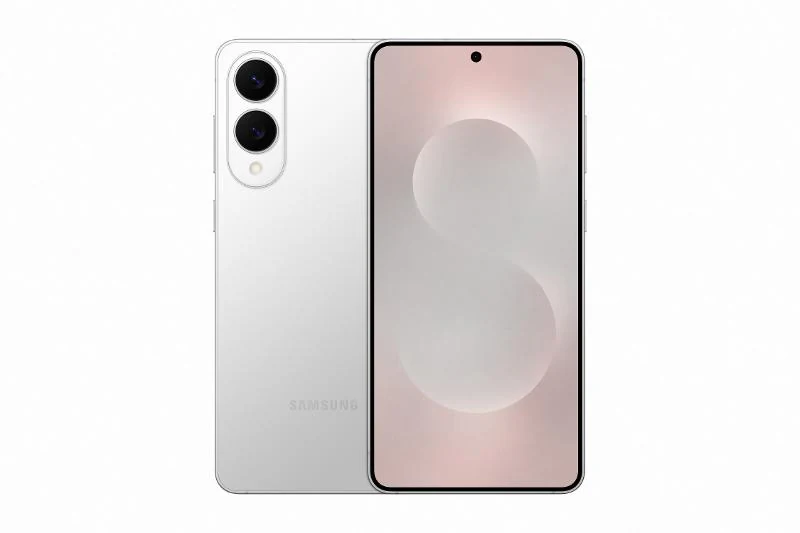
Samsung · 2025
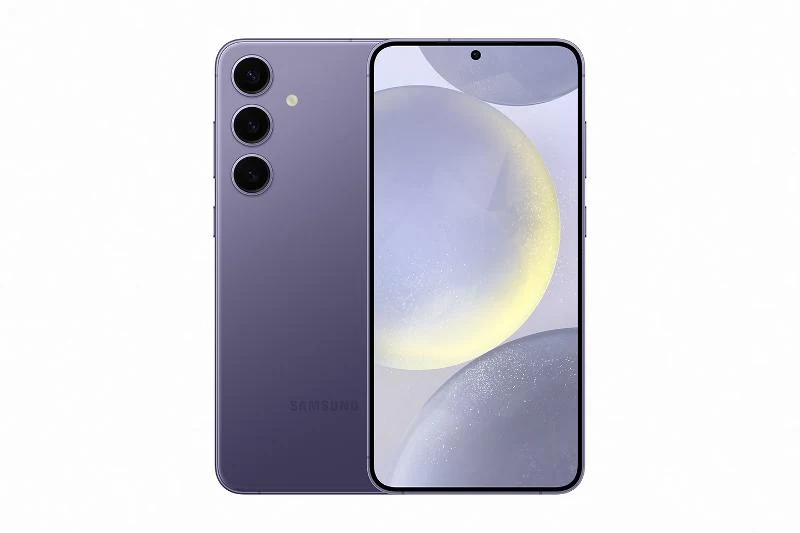
Galaxy S25 Edge
- Launch price
- $1099
- Display
- 6.7-inch QHD+ Dynamic AMOLED 2X, 120Hz
- Platform
- Android
2025 iPhone
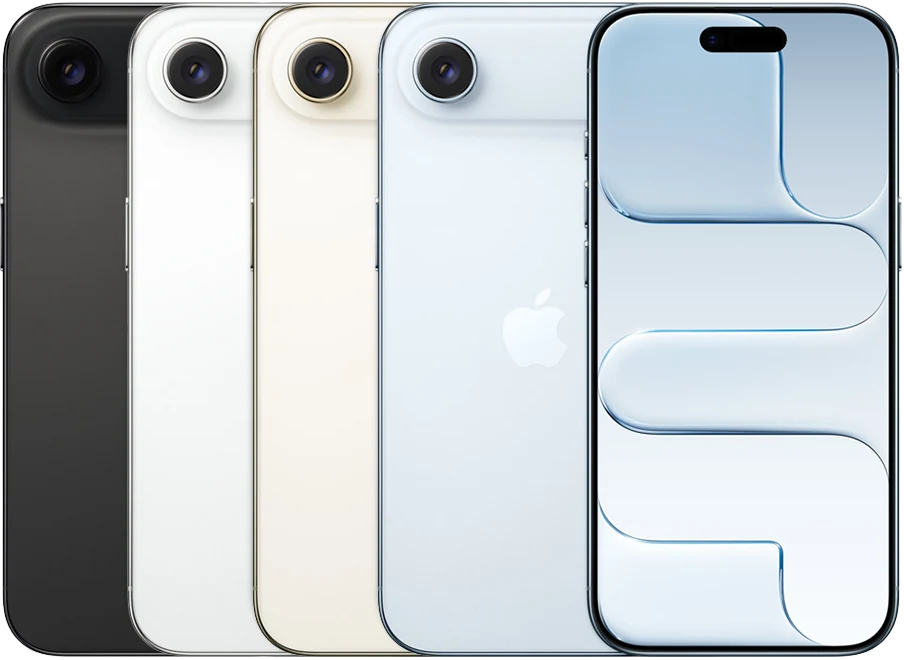
Apple / 2025
If you value a stunning, ultra‑portable design above all else, the iPhone Air will make you very happy. But if you need multiple cameras or all‑day battery life, you might want to look at the Pro models. This phone is a beautiful trade‑off, not a perfect all‑rounder.
Best forThe thinnest and lightest large-screen iPhone option
Main rival
The Galaxy S25 Edge is a direct alternative to consider beside the iPhone Air. Compare the software, screen, cameras, support, and current selling price—not only the launch-price figures shown here.
Editorial verification: MobileBurn editors verified the device specifications, ownership details, and material review findings before publication.
The first thing you notice about the Apple iPhone Air is just how thin it is. At 5.64mm thick and weighing only 165g, it’s the slimmest large-screen iPhone Apple has ever made. Picking it up feels almost unreal – it’s light enough to forget you’re holding a 6.5-inch phone. Despite its slender profile, the use of a grade 5 titanium frame and Ceramic Shield glass makes it feel sturdy and well-built.
The Air doesn’t creak or flex under pressure, and its IP68 water resistance means it can handle a dip in the pool. The Sky Blue finish, in particular, catches light beautifully, though the polished titanium does show fingerprints quickly. If you want a phone that turns heads and slips easily into a pocket, this is it. For more comparisons, check out our full collection of phone reviews.
The iPhone Air’s 6.5-inch LTPO OLED display is one of its strongest features. It supports ProMotion for a buttery-smooth 120Hz refresh rate, making scrolling through apps and browsing the web feel incredibly fluid. With a peak brightness of 3,000 nits, the screen stays perfectly readable even under direct sunlight, and HDR content looks vibrant and punchy. The always-on display is useful for checking notifications at a glance. The screen is slightly larger than the base iPhone 17’s, giving videos and games more room to breathe.
Whether you’re watching movies, editing photos, or just scrolling social media, this display is a clear highlight – it’s bright, smooth, and a genuine pleasure to use every day. It pairs nicely with iOS 26’s refined interface, though full Apple Intelligence features are still rolling out. To see how the Air stacks up against other models, browse the phone directory.
The biggest compromise with the iPhone Air is its camera system. There’s only a single 48-megapixel lens on the back, which takes sharp, natural-looking photos with strong portrait effects. However, you lose the flexibility of a telephoto zoom, an ultrawide lens, and macro capabilities. If you’re used to switching lenses on a Pro model, you’ll feel the difference. The selfie camera is excellent, with Center Stage automatically keeping you in frame during video calls, and Dual Capture adds a fun creative twist.
But for $999, just $100 less than the iPhone 17 Pro, you’re giving up a lot of photographic versatility. The trade-off is clear: stunning design and portability versus camera flexibility. For many people, especially those who primarily shoot in daylight and don’t need extreme zoom, the single camera will be perfectly fine. But serious photographers should look at the Pro lineup.
The Air’s battery life is decent – around 27 hours of video playback – though it falls a few hours short of the larger Pro Max models, and the phone can get warm during heavy gaming or fast charging.
The Apple iPhone Air is powered by the A19 Pro chip, which handles everyday apps, games, and multitasking with ease. The 6.5-inch ProMotion OLED display is bright and smooth, making it a joy to scroll through content or watch HDR videos. However, the slim design comes with a trade-off. Testing shows the phone can get noticeably warm during heavy tasks like fast charging or demanding gaming. This isn’t a dealbreaker for most people, but it’s a reminder that the Air prioritizes form over raw thermal headroom.
If you’re a power user who plays graphically intense games for long periods, you might want to consider a model with better cooling. Use our phone finder to discover other options that match your needs.
The iPhone Air offers up to 27 hours of video playback, which is solid for a phone this thin and light. You won’t run out of power during a typical day of mixed use, but heavy users will notice it falls a few hours behind the iPhone 17 Pro models. Fast charging is supported via USB-C and MagSafe, which is convenient. The battery life is decent, not class-leading. That’s the main compromise you make for the incredibly thin and light design. If you need all-day battery without thinking about it, check out our side-by-side comparison with the Pro models to see the differences clearly.
The iPhone Air is a bold design refresh. It is incredibly thin at just 5.64mm and very light at 165 grams, with a titanium frame that feels strong. The 6.5-inch ProMotion display is excellent, and the A19 Pro chip delivers snappy performance. But you only get a single 48MP rear camera. You lose the telephoto and ultrawide lenses that many people use every day. The battery life is strong but not the best in the lineup. The phone can also get warm under heavy loads.
For $999, you are paying a premium for a design that is truly stunning. If portability and style are your top priorities, you will love the Air. If you need a versatile camera system or maximum battery life, the iPhone 17 Pro is a better fit. The iPhone Air is a beautiful trade-off, not a perfect all-rounder. It is a phone for people who value elegance above everything else.
Specifications
The details that most directly affect compatibility, daily use, and ownership. Regional models can differ, so confirm bands, storage, colors, and charging support before purchase. For context, see other phones released in 2025.
Quick answers
The iPhone Air is best for someone who wants the thinnest and lightest large-screen iPhone option. Compare its current price, camera range, charging speed, and support life with its main rival before buying.
Apple's current iOS compatibility list determines the remaining software support for the iPhone Air. Check the exact model, its installed iOS version, available security updates, and the apps you need before buying it used.
The catalog lists the iPhone Air's rear cameras as 48MP main. Its battery listing is Up to 27 hours video playback, and its charging support is Fast USB-C, MagSafe. Those specifications describe the hardware, but they do not by themselves guarantee photo quality, charging time, or real battery life. The phone glossary explains why those figures need context.
The Galaxy S25 Edge is its main cross-brand rival in this catalog. Compare their displays, cameras, software, support, size, and current prices in the side-by-side comparison before deciding.
Alternatives
Compare price, size, camera hardware, battery, charging, and software support. Completed reviews are labeled clearly; remaining models stay as specification profiles.
Galaxy S · 2025
6.7-inch QHD+ Dynamic AMOLED 2X, 120Hz · Snapdragon 8 Elite for Galaxy
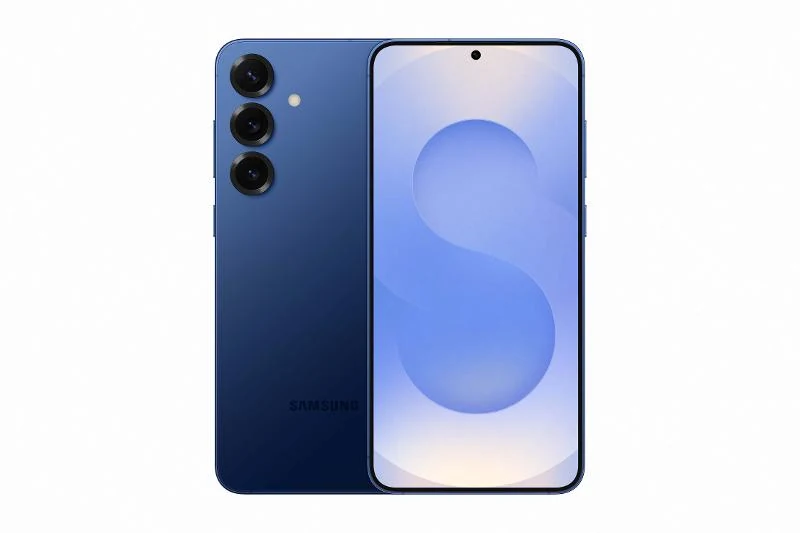
Big-screen flagship
6.7-inch QHD+ Dynamic AMOLED 2X, 120Hz · Snapdragon 8 Elite for Galaxy
Keep exploring