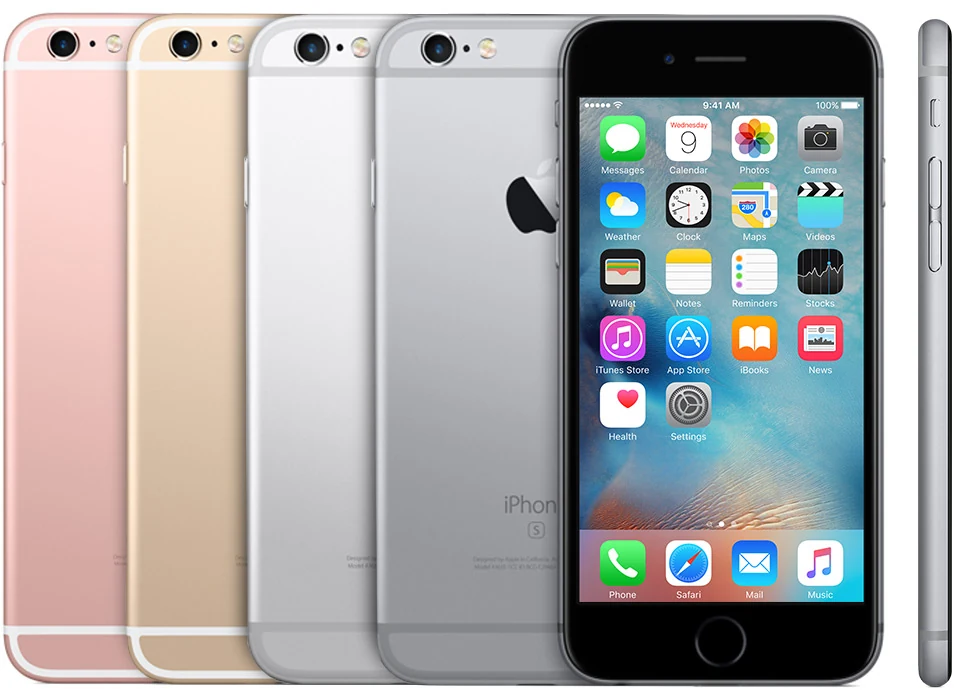
iPhone 6s review summary
- The iPhone 6s brought 3D Touch, a 12MP camera with 4K video, and a tougher aluminum body to Apple’s lineup.
- Its design and software stayed friendly and simple, and the phone still feels fast for everyday tasks.
- But battery life is limited, there is no wireless charging, and the screen can’t match Samsung’s best OLEDs.
- If you can find one cheap, it works, but newer phones offer more for similar money.
- The real change is under the surface: Apple used a stronger 7000-series aluminum this time, which should help the phone resist bending under pressure.
- Colors look natural, contrast is strong, and the 326 pixels per inch are plenty sharp for daily use.
- Pressing lightly on an app icon brings up quick actions, and pressing harder on a link shows a preview without opening it.
- In practice, photos look detailed and colors are accurate, and the camera software launches quickly and processes shots fast.
- Look closer and you’ll notice the antenna bands snaking around the back and sides—a design choice that breaks up the otherwise clean look.
- The home button remains a physical, moving button rather than the solid-state clicker found on later models, and that design choice means the 6s lacks any official water resistance rating.
- Overall, the build quality is top-notch, but the design keeps the phone from feeling truly modern.
- Pressing lightly on an app icon brings up quick actions, and pressing harder on a link shows a preview without opening it.
Editorial verification: MobileBurn editors verified the device specifications, ownership details, and material review findings before publication.
First Look at the iPhone 6s Design — Apple iPhone 6s
At first glance, the iPhone 6s looks almost identical to its predecessor, with the same flat back, curved sides, and large bezels around the display. That familiar silhouette has aged surprisingly well, and the phone still feels solid in the hand. However, look closer and you’ll notice the antenna bands snaking around the back and sides—a design choice that breaks up the otherwise clean look. The real change is under the surface: Apple used a stronger 7000-series aluminum this time, which should help the phone resist bending under pressure.
The home button remains a physical, moving button rather than the solid-state clicker found on later models, and that design choice means the 6s lacks any official water resistance rating. A new Rose Gold color also joined the lineup, giving buyers a fresh option alongside Space Gray, Silver, and Gold. Overall, the build quality is top-notch, but the design keeps the phone from feeling truly modern.
The Screen and the Magic of 3D Touch — Apple iPhone 6s
What this means for Apple iPhone 6s
The 4.7-inch Retina HD LCD display is the same size and resolution as before, but it remains excellent for an LCD. Colors look natural, contrast is strong, and the 326 pixels per inch are plenty sharp for daily use. That said, Samsung’s OLED screens are in a different league when it comes to deep blacks and vibrant colors. The real star here is 3D Touch, which lets the screen detect different levels of pressure.
Pressing lightly on an app icon brings up quick actions, and pressing harder on a link shows a preview without opening it. This feature demands experimentation, and when you get used to it, it feels like a natural way to navigate the phone. Not all apps take full advantage of 3D Touch, but for those that do, it’s a genuine productivity boost. If you’re upgrading from an older iPhone, this screen trick alone makes the 6s feel like a new device.
Camera, Performance, and Everyday Use — Apple iPhone 6s
The camera got a big upgrade here, moving to a 12-megapixel sensor that can shoot 4K video. In practice, photos look detailed and colors are accurate, and the camera software launches quickly and processes shots fast. That said, the phone still lags behind the best camera phones when it comes to low-light performance. Under the hood, the A9 chip and 2GB of RAM make everyday tasks feel snappy. Apps open almost instantly, and the phone rarely gets warm even during long gaming sessions.
Most apps in the App Store are designed for older hardware, so the extra power isn’t always used, but that should change as developers start tapping into the A9’s capabilities. On the downside, battery life is limited, and there is no wireless charging support. The 5W wired charger is painfully slow by today’s standards. For anyone looking for an affordable way into iOS, the 6s still works well—as long as you find it cheap. For more options, browse our phone reviews or check the phone directory.
Battery Life and Missing Features — Apple iPhone 6s
One of the clearest trade-offs with the iPhone 6s is its battery life. While Apple claimed up to 11 hours of video playback at launch, real-world use often falls short of that figure, especially with modern apps and habits. The phone charges only through a wired 5W adapter, and there is no official water-resistance rating or wireless charging—features that had already become common on many rivals by the time this model arrived.
The 4.7-inch Retina HD LCD display is fine for most tasks, but it lacks the deep blacks and pop of Samsung’s OLED panels. Still, the screen remains sharp enough for everyday scrolling, and natural colors help photos look pleasing. The standout addition here is 3D Touch, which lets you press firmly on the screen to quick-launch actions or preview content. It adds a layer of control that rewards experimentation, though some users may never dive deep enough to miss it if they move to a newer phone.
The phone’s design has held up reasonably well, but the plastic antenna bands that run across the back and sides break up the otherwise clean look. If you rely on wireless charging or need a phone that survives splashes, you will have to look elsewhere.
The Apple iPhone 6s Review: A Familiar Friend That Still Has Tricks
Wearing the same familiar aluminum clothes as its predecessor, the iPhone 6s quietly improved on almost everything that mattered. The most obvious new party trick is 3D Touch, a pressure-sensitive layer that turns the whole screen into a shortcut machine. Press a little harder on an app icon and you get quick actions; press on a link and you get a preview without leaving the current page. It feels like a natural step for a phone that already prided itself on simplicity.
Under the hood, the A9 chip and 2GB of RAM pushed performance ahead enough that apps open instantly, and the phone no longer heats up during long gaming sessions like the previous generation did. The rear camera jumps to 12 megapixels and adds 4K video recording, which was a big leap at the time. The body is made from stronger 7000-series aluminum, making it less likely to bend. The new Rose Gold color also gave buyers a fresh choice.
The display remains an excellent LCD—bright, with natural colors and strong contrast—although it cannot beat the black levels of an OLED screen. The phone feels solid and familiar in the hand, and Touch ID works quickly. For a phone that is essentially a refined version of a two-year-old design, it succeeded in adding enough new capabilities to feel fresh. If you want to see how it stacks up against its larger sibling, check out our side-by-side comparison.
Is the iPhone 6s right for you? — Apple iPhone 6s
The iPhone 6s is best suited to 3d touch, 4k video, and a stronger 7000-series aluminum body. The iPhone 6s is a well-built phone that added cool features like 3D Touch and better video recording. It still handles daily jobs without trouble. But its small battery and missing extras like wireless charging make it hard to recommend at a high price. For budget buyers who want iOS, it can be a worthwhile deal if found cheap. Price, physical condition, battery health, and remaining support should decide whether it still makes sense.