2022 iPhone
Apple / 2022
iPhone 14: our full review
The iPhone 14 is a strong phone for anyone who wants a compact, reliable iPhone with safety features and does not need the latest screen or camera tech.
Review
Editorially verifiedSpecifications and review findings checked
Best forA familiar 6.1-inch iPhone with satellite safety features
Main rival
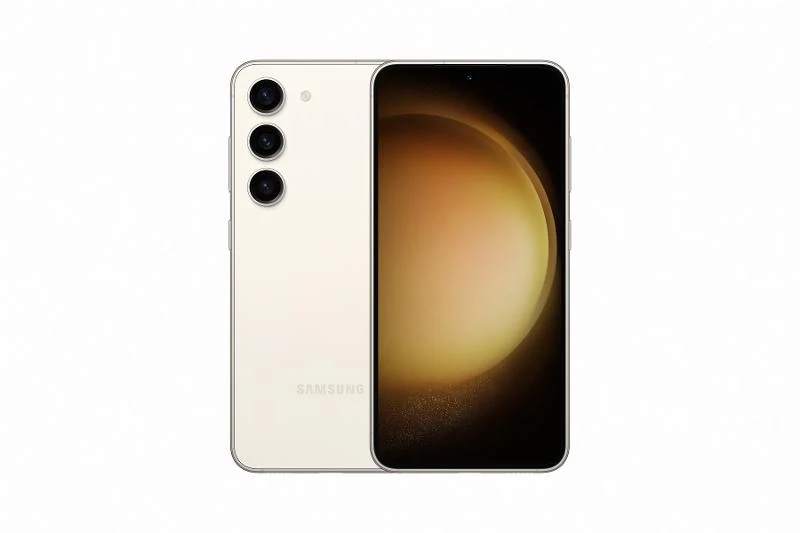
Main rival for iPhone 14: Galaxy S23
The Galaxy S23 is a direct alternative to consider beside the iPhone 14. Compare the software, screen, cameras, support, and current selling price—not only the launch-price figures shown here.
Jump toWhat do you want to know?
Key Summary
iPhone 14 review summary
- The iPhone 14 keeps the same 6.1-inch body as the iPhone 13 but adds satellite SOS, crash detection, and a slightly improved camera.
- Pros: Very strong main camera, fast A15 chip, strong battery, emergency safety features.
- Cons: No telephoto zoom, 60Hz screen, no SIM card slot, design feels old.
- Excellent main camera for low light
- Strong A15 Bionic performance
- Long battery life for video
- Emergency SOS via satellite
- No telephoto zoom camera
- No 120Hz display refresh rate
- No SIM card slot
- Design unchanged from iPhone 13
Editorial verification: MobileBurn editors verified the device specifications, ownership details, and material review findings before publication.
What comes in the box — Apple iPhone 14
Apple continues its trend of minimal packaging, so the box contains the iPhone 14, a USB-C to Lightning cable, and the usual paperwork. There is no power adapter or earphones included, which has been standard for a few years now. If you are upgrading from an older iPhone, you will need to supply your own charging brick and wired headphones. The phone itself is wrapped in a thin protective film, and the box is compact. For more details on what to expect from other models, check out our full collection of phone reviews.
How the design looks and feels — Apple iPhone 14
What this means for Apple iPhone 14
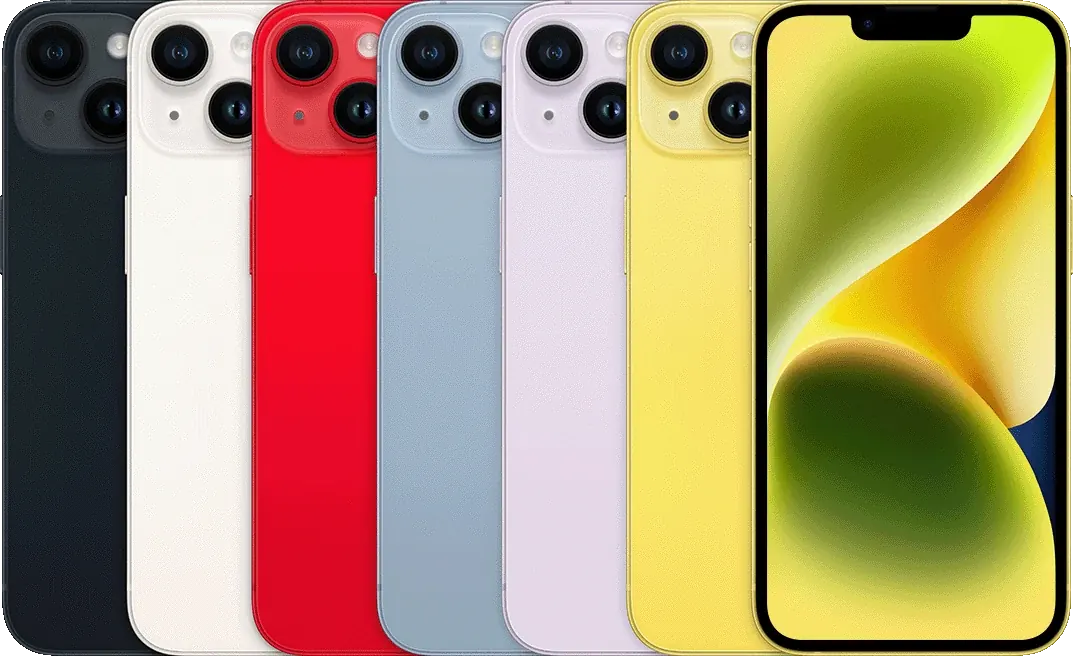
The iPhone 14 looks almost identical to the iPhone 13. It has the same flat-edged aluminum frame, a glass back, and a large notch at the top of the screen. The build quality is solid, with an IP68 rating for water and dust resistance, and Apple’s Ceramic Shield front glass offers strong drop protection. The phone is light at 172 grams and comfortable to hold, though the glossy back does attract fingerprints. Available colors include Midnight, Starlight, Blue, Purple, Yellow, and Red.
One notable change is the removal of the physical SIM card slot in the US model, which may annoy some users. If you prefer a larger screen, the iPhone 14 Plus offers the same design in a bigger body. For a complete list of all models, visit our phone directory.
The screen and everyday display quality — Apple iPhone 14
The iPhone 14 features a 6.1-inch OLED display with a 60Hz refresh rate. It offers great HDR support, making colors look vibrant and blacks deep. However, it lacks the 120Hz ProMotion technology found on the Pro models, so scrolling and animations are not as smooth. The screen is bright enough for outdoor use, but it does scratch relatively easily, so a screen protector is recommended. There is no always-on display or Dynamic Island, which are reserved for the more expensive models.
For everyday tasks like browsing, messaging, and watching videos, the display is perfectly fine, but it does not feel as premium as some competitors at this price point.
Performance and battery life — Apple iPhone 14
Under the hood, the iPhone 14 uses the Apple A15 Bionic chip first seen in the previous generation, and it still delivers excellent everyday speed. Apps open quickly, games run smoothly at high settings, and iOS feels fluid throughout daily use. While this is not the absolute fastest chip Apple offers, it handles demanding tasks like video editing and augmented reality with no noticeable lag.
Battery life is a highlight: the phone manages up to 20 hours of video playback on a full charge. That means most people get through a full day of heavy use, or well into a second day with lighter habits. wired charging tops out at 20W-class speeds, and the phone supports 15W MagSafe wireless charging. There is no charger in the box, but the phone works with any USB-C power adapter you already own.
A key addition is Emergency SOS via satellite and crash detection. These safety features use the phone’s sensors and connectivity to automatically call for help or send your location when you have no cellular signal. They add real peace of mind for outdoor trips or unexpected accidents.
Camera features for photos and video — Apple iPhone 14
The iPhone 14 features a dual-camera system with a 12MP main sensor and a 12MP ultrawide lens. Photos taken in daylight are sharp, with natural colors and reliable auto-exposure. The real improvement is in low-light performance: the main sensor captures more light, so evening or indoor shots show less noise and better detail than the iPhone 13. Action mode for video uses software stabilisation to smooth out handheld footage when you are walking or running. It works well in bright conditions, though it crops the frame noticeably.
The front-facing camera also gains autofocus and a wider aperture, which helps with brighter selfies and better video calls in dim rooms. Video recording remains a strength, with solid stabilisation and HDR that keeps highlights under control even in tricky lighting. The lack of a telephoto zoom means you lose detail when you crop in beyond 2x, and the 12MP ultrawide is fine but not as sharp as the main camera. Still, for most everyday shooting, the iPhone 14 delivers reliable, pleasing images straight out of the camera.
Is the iPhone 14 right for you? — Apple iPhone 14
The Apple iPhone 14 is best for anyone who wants a compact, reliable phone and values safety features over the latest display or camera gimmicks. If you are upgrading from an iPhone 11, 12, or earlier, you get a much better main camera, satellite emergency SOS, and crash detection, while keeping the same familiar 6.1-inch size. It is also a solid choice for those who prefer iOS and don’t care about 120Hz screens or telephoto zoom.
However, if you already own an iPhone 13, there is almost no reason to upgrade – they look identical and share the same chip and cameras. Shoppers who want a bigger screen and longer battery should use the side-by-side comparison link to see how the iPhone 14 Plus compares. For alternative options, you can use our phone finder tool to narrow down the best device for your needs and budget.
Use the phone finder to check the next practical option.
Specifications
iPhone 14 specifications
The details that most directly affect compatibility, daily use, and ownership. Regional models can differ, so confirm bands, storage, colors, and charging support before purchase. For context, see other phones released in 2022.
- Released
- 2022
- Operating system
- iOS
- Display
- 6.1-inch OLED, 60Hz
- Processor
- Apple A15 BionicApple A15 Bionic in plain EnglishApple A15 Bionic is an Apple-designed system-on-a-chip (SoC): the main silicon that runs iPhone apps and iOS. It combines the CPU, graphics, camera processing, and supporting controllers; newer generations also include dedicated machine-learning hardware. Real speed and battery life still depend on memory, cooling, software, and battery condition.
- Memory
- Not officially stated by Apple
- Storage
- 128GB–512GB
- Rear cameras
- 12MP main + 12MP ultrawide
- Battery
- Up to 20 hours video playback
- Charging
- 20W-class wired, 15W MagSafe
- Software support
- Check current iOS compatibility
- Water resistance
- Colors
Quick answers
iPhone 14 frequently asked questions
Who is the iPhone 14 best for?
The iPhone 14 is best suited to buyers seeking a familiar 6.1-inch iPhone with satellite safety features. Because it launched in 2022, compare its remaining software support, battery health, used condition, repair cost, and current price before choosing it over a newer phone.
What software support does the iPhone 14 have?
Apple's current iOS compatibility list determines the remaining software support for the iPhone 14. Check the exact model, its installed iOS version, available security updates, and the apps you need before buying it used.
What are the key camera and battery specifications?
The catalog lists the iPhone 14's rear cameras as 12MP main + 12MP ultrawide. Its battery listing is Up to 20 hours video playback, and its charging support is 20W-class wired, 15W MagSafe. Those specifications describe the hardware, but they do not by themselves guarantee photo quality, charging time, or real battery life. The phone glossary explains why those figures need context.
What is the main alternative to the iPhone 14?
The Galaxy S23 is its main cross-brand rival in this catalog. Compare their displays, cameras, software, support, size, and current prices in the side-by-side comparison before deciding.
Alternatives
iPhone 14 alternatives at a similar price
Compare price, size, camera hardware, battery, charging, and software support. Completed reviews are labeled clearly; remaining models stay as specification profiles.
Keep exploring