2021 iPhone
Apple / 2021
iPhone 13: our full review
The iPhone 13 is the best all-around iPhone for most people. It doesn't change much from last year, but the better battery life, brighter screen, and double the storage for the same price make it a smart, balanced choice.
Review
Editorially verifiedSpecifications and review findings checked
Best forA balanced used iPhone with 128GB base storage
Main rival
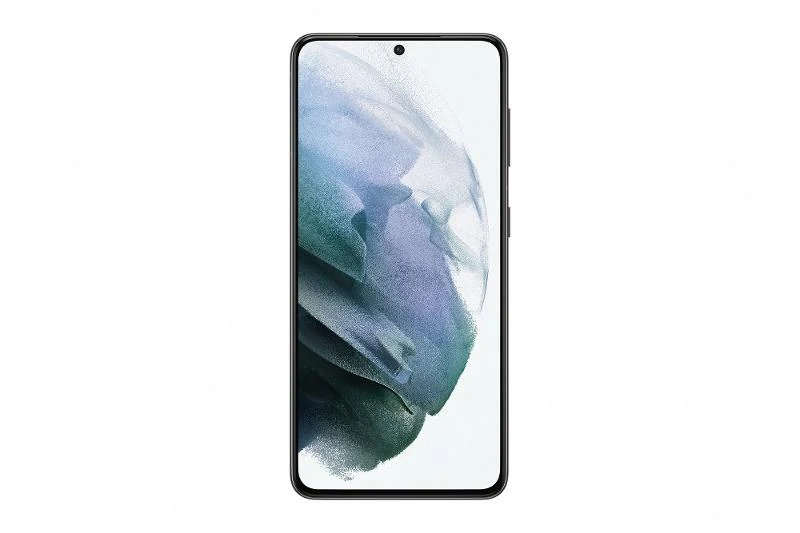
Main rival for iPhone 13: Galaxy S21
The Galaxy S21 is a direct alternative to consider beside the iPhone 13. Compare the software, screen, cameras, support, and current selling price—not only the launch-price figures shown here.
Jump toWhat do you want to know?
Key Points
iPhone 13 review summary
- The iPhone 13 keeps the same design as the iPhone 12 but adds a much better battery, a brighter screen, and double the base storage for the same starting price of $799.
- The A15 Bionic chip makes it one of the fastest phones you can buy, and the camera gains sensor-shift stabilization for steadier photos and videos.
- If you're upgrading from an iPhone 11 or older, the improvements in battery life, performance, and camera quality are well worth it.
- Great battery life
- Fast A15 Bionic performance
- Base storage doubled to 128GB
- Bright OLED display with better outdoor visibility
- Still has a large notch
- 60Hz display only, no high refresh rate
- Minor upgrade over iPhone 12
Editorial verification: MobileBurn editors verified the device specifications, ownership details, and material review findings before publication.
Same Look, Welcome Tweaks — iPhone 13
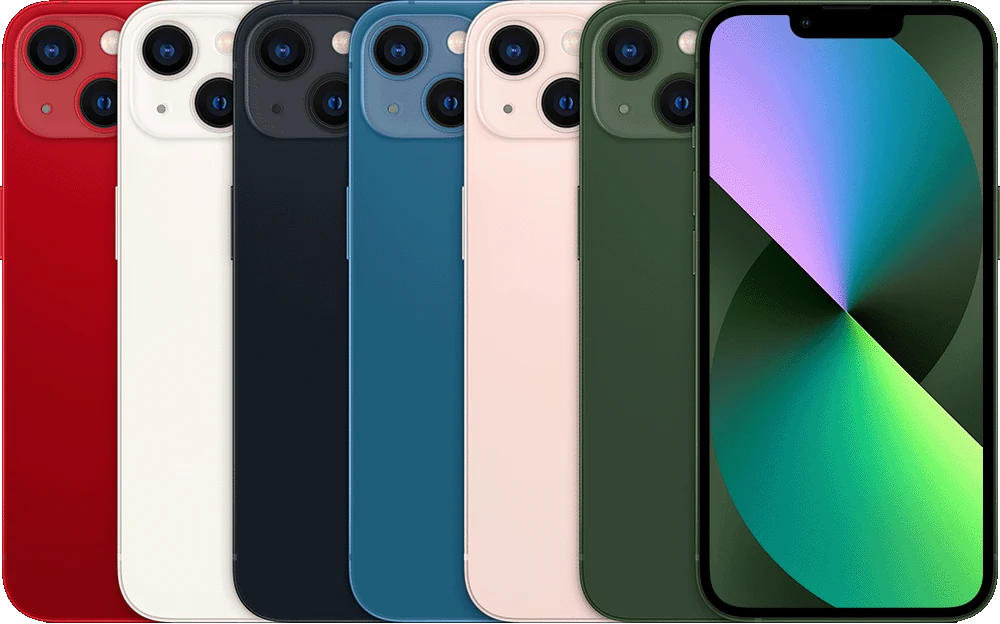
The iPhone 13 keeps the same flat-edged, aluminum-and-glass design that Apple introduced with the iPhone 12. You get the same IP68 water resistance, the same Ceramic Shield front glass, and nearly identical dimensions. The most obvious change is the camera module on the back: the two 12-megapixel lenses are now arranged diagonally instead of vertically, which makes the phone instantly recognizable as this year's model.
The notch at the top of the display is also slightly smaller — Apple says it's 20 percent narrower — though it's still very much present and noticeable compared to the hole-punch cutouts found on many Android phones. The earpiece has been moved up to the top edge, which might hint at an even smaller notch in future iPhones. Color options include blue, pink, red, Midnight (a very dark blue that looks black), and Starlight (a warm off-white).
The phone is marginally thicker and a third of an ounce heavier than its predecessor, and some cases designed for the iPhone 12 may not fit due to slightly different button positioning. Build quality remains excellent, with tight gaps and a premium feel regardless of which color you choose. If you are coming from an older iPhone, the overall size and weight will still feel familiar and refined.
Bright Screen, Still Smooth — iPhone 13
The 6.1-inch OLED display on the iPhone 13 is essentially unchanged in resolution or feature set from last year. It still supports a wide color gamut and Apple's True Tone color management, which adjusts the white balance to match your surroundings. The big difference this year is brightness: Apple says typical brightness has been boosted from 625 nits to 800 nits, which should make the screen much easier to read outdoors in direct sunlight.
In practice, the improvement may be hard to see side by side, but it's a meaningful upgrade for anyone who uses their phone outside often. One thing that hasn't changed is the 60Hz refresh rate. The iPhone 13 Pro models get a 120Hz ProMotion display, but the standard iPhone 13 sticks with the traditional 60Hz panel. If you have been using a 120Hz Android phone for the past year, you might notice that scrolling feels slightly less smooth when you switch back.
However, for most people who have never used a high-refresh-rate screen, the iPhone 13's display will look perfectly fluid and smooth. It is a high-quality OLED panel with excellent color accuracy, deep blacks, and strong viewing angles — just not the fastest one on the market.
Powerful Chip That Handles Anything — iPhone 13
Inside, the iPhone 13 is powered by the Apple A15 Bionic chip, which is the same processor found in the iPhone 13 Pro models. That means you are getting one of the fastest smartphone chips available in 2021, capable of handling demanding games, video editing, and multitasking without any stutter. The phone also ships with iOS 15 out of the box and will receive software updates for years to come, making it a long-term investment.
For storage, Apple has doubled the base configuration to 128GB, while keeping the starting price at $799. You can also choose 256GB or 512GB versions if you need more space. The 64GB option is gone, which is a welcome change since 64GB felt cramped for many users. As for phone reviews, the battery life is the standout feature this year. The iPhone 13 lasts significantly longer than the iPhone 12, thanks to a larger battery and the efficiency of the A15 chip.
Apple rates video playback at up to 19 hours, which is a big jump from the previous generation. Charging remains at 20W wired and 15W MagSafe wireless, so you will need to supply your own power adapter. The camera system gets a quality-of-life upgrade with sensor-shift optical image stabilization, which was previously exclusive to the iPhone 12 Pro Max. This helps keep photos and videos steadier, especially in low light.
The main and ultrawide lenses are both 12 megapixels, but the larger sensor and improved image processing make it easier for anyone to take attractive photos without fiddling with settings. Check our phone directory for more options in this price range.
Battery That Lasts and Lasts — iPhone 13
The biggest reason to pick up an iPhone 13 is its battery life. Apple claims up to 19 hours of video playback, and early reviews confirm that this model easily outlasts its predecessor. If you are coming from an iPhone 11 or older, the jump in stamina is dramatic. You can go a full day of heavy use without hunting for a charger.
Charging speeds remain unchanged at 20W wired and 15W via MagSafe. That is fine for overnight top-ups but not the fastest in 2021. Still, the real-world endurance is so strong that you will rarely feel the need for a quick boost. For anyone who values all-day reliability over charging speed, this phone delivers.
If battery life is your top priority, you can compare the iPhone 13 with other models using our phone finder tool.
Better Photos With Smarter Cameras — iPhone 13
The iPhone 13 keeps the same 12MP main and 12MP ultrawide cameras as the iPhone 12, but the hardware and software improvements make a real difference. The main sensor now uses sensor-shift optical image stabilization, which was previously reserved for the Pro models. This means steadier shots in low light and smoother video, even when you are moving.
Apple also tweaked the camera software to make it easier for anyone to take strong photos. Colors are natural, exposure is balanced, and the ultrawide lens captures a wider scene without too much distortion. The diagonal camera layout on the back is the only visual clue that this is a new model, but the image quality is noticeably better than last year's.
For a direct look at how the iPhone 13 compares to its smaller sibling, check out our side-by-side comparison.
Is the iPhone 13 right for you?
iPhone 13 Review: A Smart Upgrade for Most Buyers
The iPhone 13 is not a radical redesign. It looks nearly identical to the iPhone 12, with the same flat edges, aluminum frame, and Ceramic Shield glass. The notch is 20 percent smaller, but it is still there. The display remains a 6.1-inch OLED with a 60Hz refresh rate, which feels smooth enough but lacks the fluidity of 120Hz screens found on Pro models and some Android rivals.
What makes the iPhone 13 a smart buy is the combination of better battery life, a brighter screen (800 nits typical brightness), and double the base storage at 128GB for the same $799 starting price. The A15 Bionic chip is among the fastest you can find, and iOS updates are guaranteed for years. If you are upgrading from an iPhone 11 or older, the improvements in battery, camera, and performance are well worth it. If you already own an iPhone 12, the changes are minor, but the battery boost alone may tempt you.
Overall, the iPhone 13 is the best all-around iPhone for most people. It does not break new ground, but it refines the formula in all the right ways.
Specifications
iPhone 13 specifications
The details that most directly affect compatibility, daily use, and ownership. Regional models can differ, so confirm bands, storage, colors, and charging support before purchase. For context, see other phones released in 2021. Head-to-head: iPhone 13 or iPhone 16: side by side.
- Released
- 2021
- Operating system
- iOS
- Display
- 6.1-inch OLED, 60Hz
- Processor
- Apple A15 BionicApple A15 Bionic in plain EnglishApple A15 Bionic is an Apple-designed system-on-a-chip (SoC): the main silicon that runs iPhone apps and iOS. It combines the CPU, graphics, camera processing, and supporting controllers; newer generations also include dedicated machine-learning hardware. Real speed and battery life still depend on memory, cooling, software, and battery condition.
- Memory
- Not officially stated by Apple
- Storage
- 128GB–512GB
- Rear cameras
- 12MP main + 12MP ultrawide
- Battery
- Up to 19 hours video playback
- Charging
- 20W wired, 15W MagSafe
- Software support
- Check current iOS compatibility
- Water resistance
- Colors
Quick answers
iPhone 13 frequently asked questions
Who is the iPhone 13 best for?
The iPhone 13 is best suited to buyers seeking a balanced used iPhone with 128GB base storage. Because it launched in 2021, compare its remaining software support, battery health, used condition, repair cost, and current price before choosing it over a newer phone.
What software support does the iPhone 13 have?
Apple's current iOS compatibility list determines the remaining software support for the iPhone 13. Check the exact model, its installed iOS version, available security updates, and the apps you need before buying it used.
What are the key camera and battery specifications?
The catalog lists the iPhone 13's rear cameras as 12MP main + 12MP ultrawide. Its battery listing is Up to 19 hours video playback, and its charging support is 20W wired, 15W MagSafe. Those specifications describe the hardware, but they do not by themselves guarantee photo quality, charging time, or real battery life. The phone glossary explains why those figures need context.
What is the main alternative to the iPhone 13?
The Galaxy S21 is its main cross-brand rival in this catalog. Compare their displays, cameras, software, support, size, and current prices in the side-by-side comparison before deciding.
Alternatives
iPhone 13 alternatives at a similar price
Compare price, size, camera hardware, battery, charging, and software support. Completed reviews are labeled clearly; remaining models stay as specification profiles.
Keep exploring