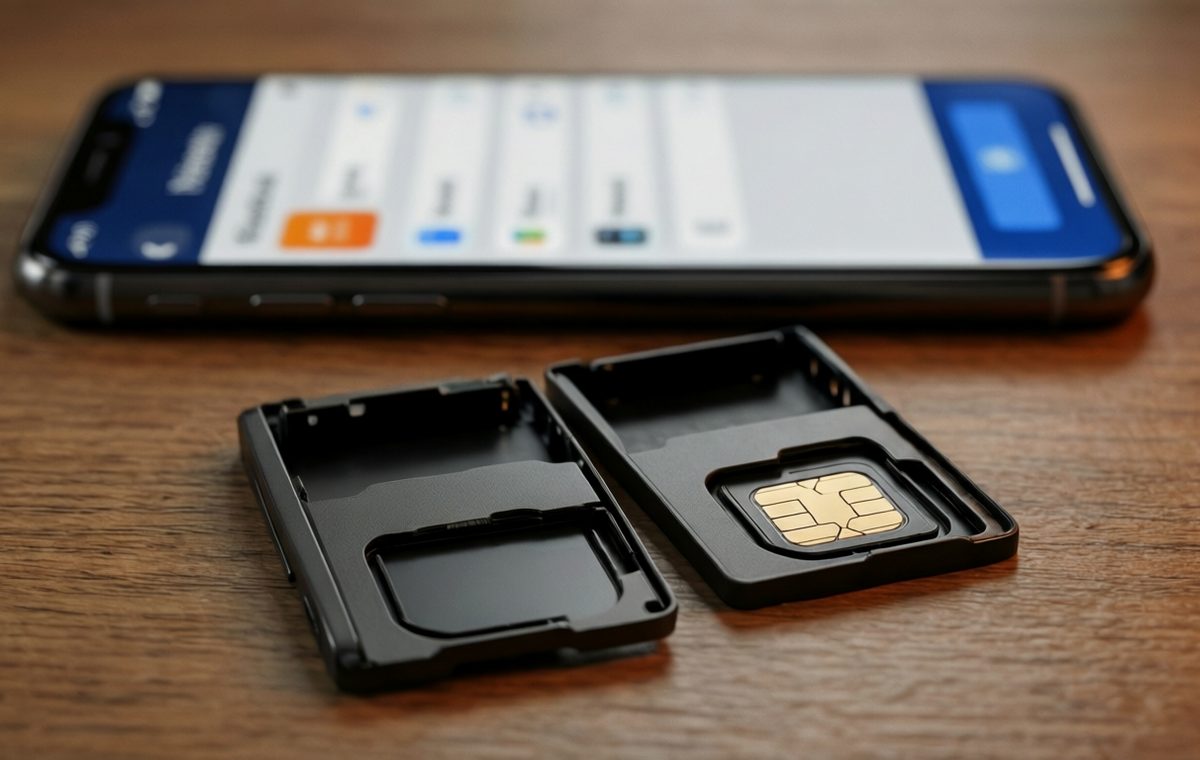
Summary of Pixel 11 dual-SIM catch: New MediaTek modem, old standby limits
- Google confirmed the Pixel 11 series does not support Dual-SIM Dual-Active (DSDA).
- The Pixel 11 switches from Samsung to a MediaTek modem for the first time.
- The MediaTek M90 modem is capable of DSDA, but Google disabled the feature.
- A setting called 'Switch mobile data automatically' can reduce the impact of the limit.
- Both SIMs must be eSIMs if you want two numbers on the Pixel 11.
Google confirms a dual-SIM limit
If you use two phone numbers and were hoping the Google Pixel 11 would let both lines run at full speed at the same time, there is disappointing news. After weeks of online rumors, Google has confirmed that the Pixel 11 series does not support Dual-SIM Dual-Active, or DSDA. That means you cannot hold a voice call on one SIM while keeping high-speed data active on the other.
The confusion started when savvy Reddit users noticed that the Pixel 11 specs listed dual-SIM support. People assumed this meant the phone could handle two active connections at once. But Google has now set the record straight: the Pixel 11 phones use Dual-SIM Dual Standby (DSDS) mode. Only one SIM can be active at a time for data and calls.
This is not a simple software oversight. It is a deliberate choice by Google, even though the new modem inside the Pixel 11 is technically capable of more.
Goodbye Samsung modem, hello MediaTek
What this means for Pixel 11 dual-SIM catch
The biggest hardware change inside the Pixel 11 is the modem. For years, Google used Samsung Exynos modems in its Pixel phones. That era is over. The Pixel 11 series now uses a MediaTek modem, likely the MediaTek M90 based on model identifiers found in the phone's software.
When Android Authority connected a Pixel 11 Pro XL to a computer and queried the phone's radio software, the response came back with the code “MTK-t900-Release.” The “MTK” tag stands for MediaTek. The baseband firmware string changed from the old Samsung-style “g” prefix to “a900a,” which is tied to the MediaTek M90 modem. Google's own logging service even calls the modem “AlcedoT900.”
This switch from Samsung to MediaTek is a major shift for Google's flagship line. The new modem platform is more modern and, in theory, more flexible.
The hardware can do it, but Google says no
Here is where things get confusing. The MediaTek M90 modem is technically capable of supporting Dual-SIM Dual-Active (DSDA). That means the hardware itself can handle two simultaneous connections. But Google has chosen not to enable this feature on the Pixel 11. The limitation is baked in at the software or hardware configuration level.
Google confirmed to Android Authority that the Pixel 11 lineup is restricted to Dual-SIM Dual Standby (DSDS). In DSDS mode, both SIMs are connected to the network, but only one can be actively used for calls or data at any moment. The other line goes into standby. If you are on a call with one number and someone tries to call your second number, you will not know until you hang up.
So why would Google leave this feature off? The company has not offered a detailed explanation, but it means the Pixel 11 series will not match competitors that offer true DSDA support.
One simple setting to ease the pain
If you rely on two SIMs and do not want your data connection to drop during important calls, there is a workaround. Google recommends going into your network settings and turning on “Switch mobile data automatically.” This setting tells the phone to temporarily move your data connection over to the SIM you are using for the active call.
It is not as smooth as true DSDA. You might feel a brief pause while the data switches, and you cannot use both networks at full speed independently. But for most people, this workaround solves the main headache: staying online while talking.
To use this feature, you need two active eSIMs or one physical SIM and one eSIM. The Pixel 11 series does not have a physical dual-SIM tray, so both lines must be eSIMs if you want two numbers.
What the dual-SIM trade-off means for you
The Pixel 11 switch to a MediaTek modem is a fresh start for Google's wireless hardware. The modem itself is more modern than the old Samsung Exynos parts, and it could bring better power efficiency and faster peak speeds in the long run. But for power users who juggle a work number and a personal number, the missing DSDA support is a real trade-off.
Before you buy a Pixel 11, ask yourself: do I need both lines active at the same time? If you mostly use one SIM for data and the other for backup calls, DSDS mode and the automatic data switch will probably work just fine. But if you regularly hold calls on both numbers simultaneously or need dedicated data throughput on each line, you might want to look at phones that offer true DSDA. You can browse our mobile guides for help finding a device that fits your needs.
Either way, the rumor mill got ahead of the facts this time. The Pixel 11 is a solid phone with a new modem, but dual-SIM users should go in with their eyes open. Check our phone directory for full specs and stay tuned to our news section for more details on Google's upcoming models.