Summary of How to Select the Right SIM Card for Your Device and Lifestyle
- Selecting the right SIM card isn’t just about picking up the nearest option on the shelf.
- Most devices require one of three SIM sizes: Standard, Micro, or Nano.
- While most of the world operates on GSM technology, some networks in the U.S.
Selecting the right SIM card isn’t just about picking up the nearest option on the shelf. It’s about aligning your mobile needs with the technology that powers them. Whether you’re a frequent traveler, a tech…
Selecting the right SIM card isn’t just about picking up the nearest option on the shelf. It’s about aligning your mobile needs with the technology that powers them. Whether you’re a frequent traveler, a tech enthusiast, or someone who just wants to stay connected without hassles, the right SIM card can make all the difference.
Understanding Your Device Compatibility — Select Right SIM Card for Device
1. Know Your SIM Card Size
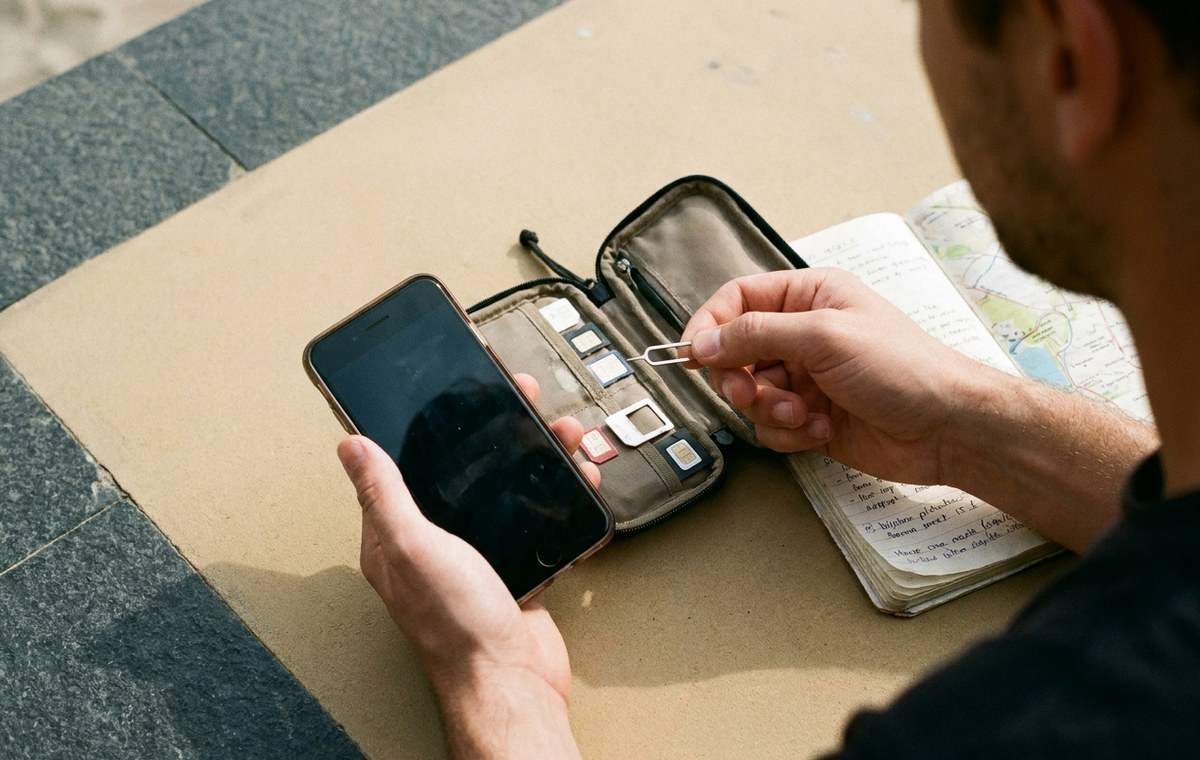
Most devices require one of three SIM sizes: Standard, Micro, or Nano. Newer smartphones typically use Nano SIMs, while older models might require Standard or Micro sizes. Checking your device’s manual or specifications online before buying a SIM card is essential to avoid the inconvenience of a mismatch.
2. GSM vs. CDMA: Knowing Your Network
While most of the world operates on GSM technology, some networks in the U.S. use CDMA. Phones designed for GSM networks need a GSM SIM card to function and vice versa. Ensure that your phone’s technology aligns with the SIM card you choose.
Aligning with Your Lifestyle Needs — Select Right SIM Card for Device
3. Consider Your Data Usage
- Light users might prefer a pay-as-you-go plan, which keeps costs down as long as minimal data is used.
- Moderate users who browse the web, use social media, and stream occasionally will likely need a monthly data allocation.
- Heavy users and streamers should look for plans offering large, if not unlimited, data to avoid overage charges.
4. Assessing Call and Text Needs
Not everyone needs unlimited calling or texting. If your communication is mostly digital, you might not need a hefty call package. Conversely, if you make numerous or international calls, look for SIM cards with generous or unlimited calling options.
Travel and Roaming Considerations — Select Right SIM Card for Device
5. International Roaming for Travelers
If you travel often, consider a SIM card with a reliable international roaming plan to avoid high charges abroad. Some SIM cards are specially designed for travelers, offering features like low-cost international calls and data.
6. Multi-SIM Options for Frequent Travelers
A multi-SIM setup might be beneficial if you frequently move between countries. Some devices allow you to use two SIM cards simultaneously, ideal for keeping one domestic and one international SIM card active at the same time.
Cost Effectiveness — Select Right SIM Card for Device
7. Comparing Provider Plans
Don’t choose the first plan you see. Compare different providers to see who offers the best value for your specific usage patterns. This could include checking out smaller mobile companies who often offer competitive rates compared to the big names.
8. Watching Out for Hidden Fees
Read the fine print to avoid unexpected charges. Setup fees, cancellation fees, and charges for services like voicemail can add up.
Future-Proofing Your SIM Card Selection — Select Right SIM Card for Device
9. Upcoming Network Changes
With networks around the world transitioning to 5G, choosing a 5G-ready SIM card might be a wise decision if your device supports it. This ensures that you won’t need a new SIM card soon as technology advances.
10. eSIM—The Future of SIM Technology
Consider whether an eSIM (an electronic, or embedded SIM) might be right for you. eSIMs allow you to switch providers without changing a physical SIM card, offering flexibility and convenience, particularly for smartphones that support this technology.
Personal Preferences and Extras — Select Right SIM Card for Device
11. Choosing a Mobile Number
Some people prefer numbers that are easy to remember or contain certain digits. Many carriers offer the option to choose your number from a list, sometimes for an extra fee.
12. Additional Services
Look for SIM cards that offer added benefits like bundled subscriptions to streaming services, anti-virus protection, or cloud storage, which can enhance your mobile experience and provide extra value.
Making the Decision — Select Right SIM Card for Device
Armed with this knowledge, your choice of SIM card should align smoothly with both your device and lifestyle needs, ensuring that you stay connected efficiently and affordably. Remember, the best SIM card for you is one that not only fits your device but also your way of life.
Continue from How to Select the Right SIM Card for Your Device and Lifestyle:Networks & SIMs, and Connectivity provide the closest supporting context and next practical step.